Preparing Fosters & Adopters to Bring Home a New Pet
In a world of high intake rates, overcrowding, and staff burnout, post-adoption support is essential to moving animals efficiently out of the shelter–and keeping them in loving homes for years to come. We’ve talked about the importance of post-adoption follow-ups, but what can you do to set foster and adoptive pet parents up for success before a new animal has even entered their home?
Evidence suggests that pre-emptive education before or at the time of adoption has a big impact on preventing re-relinquishment. This can look like adoption counseling, connection to online resources, and efforts taken in-shelter to prepare adoptive pets for a smooth transition to their forever homes. Let’s talk about some preemptive steps your shelter can take to prepare fosters and adopters to bring home a new pet.
Proactive Education
When you work with animals every day, it can be easy to take for granted that everybody has an understanding of dog body language and behavioral interventions. But the truth is, many potential fosters and adopters enter pet parenthood without a solid grasp on animal behavior and care. Getting them up to speed on the front end will help to prevent the stress and overwhelm of learning to meet their new pet’s needs on the fly, thereby decreasing the likelihood of preventable re-relinquishment. Be sure that your shelter has developed a streamlined system for pre-adoption education, prioritizing topics like:
Body language: Because foster and adoptive pets often enter the shelter with unique histories and backgrounds, it’s important that potential adopters are well-versed on the basics of dog body language. At the very least, this will help them to keep their new pet comfortable–and it could even prevent unnecessary displays of fear-based aggression. Education should center around common signs of distress, like whale eyes and stiff posture.
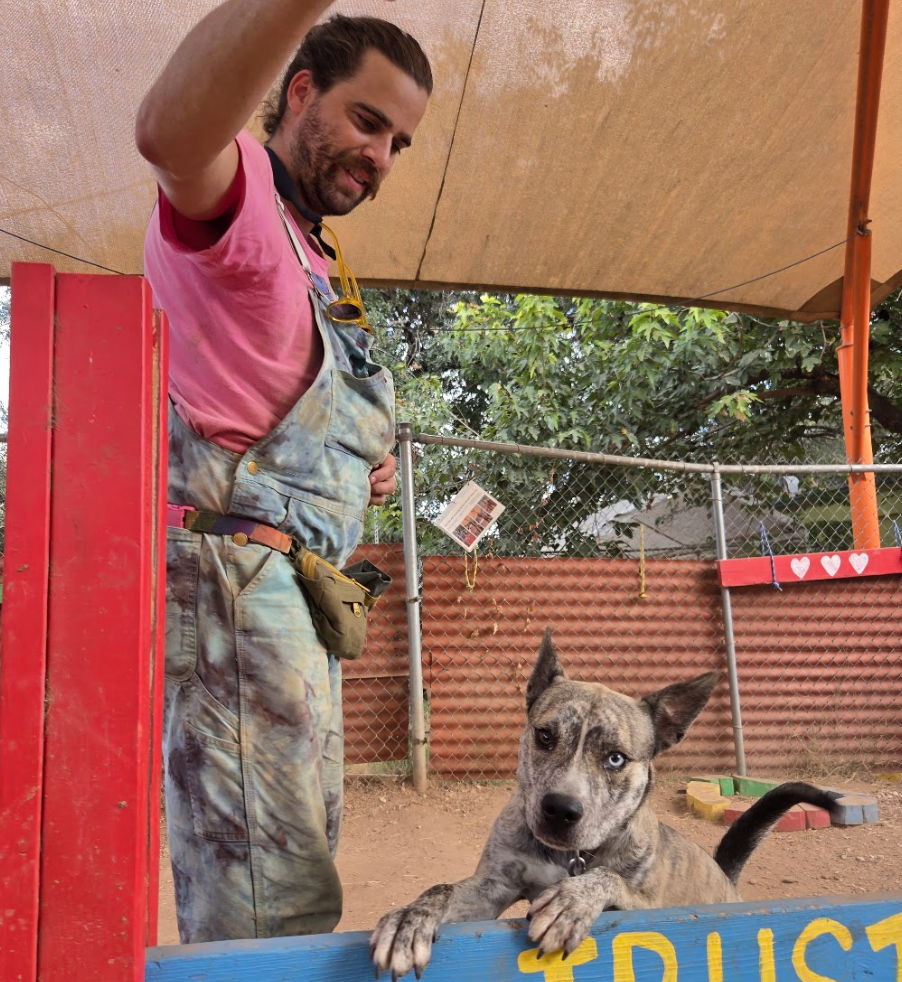
“Transitions can be challenging, so even simple behaviors can be totally upended,” reflects Laurie Lawless, regarding potty issues in a new home with Kinship.
Potty issues: Housetraining issues are one of the most commonly reported reasons for re-relinquishment. What most new pet parents don’t realize is that potty issues are almost inevitable for pets entering a new home–and, with a little bit of education and patience, this problem is usually easy to solve. When a new pet enters the home, there are lots of unfamiliar smells and routines to adjust to, and even potty trained dogs are bound to have accidents as they try to figure out where they’re supposed to go in this new space. By preparing new pet parents for this inevitability, and giving them some tools to address it quickly, shelters can stop preventable re-relinquishment in its tracks.
Setting up their home: When fosters and adopters take the extra initiative to set their home up for their new addition, it can go a long way toward ensuring a smooth transition. Encourage new pet parents to carve out a private space in their home to house their shelter pet’s food, water, and bedding–preferably within a covered crate.
Respecting boundaries: It can also be helpful to prepare new pet parents for the possibility that their pet might not immediately warm to everybody in their home. It’s common for shelter dogs to take a while to warm up to certain family members–particularly men and small children. Encourage fosters and adopters to go at the new pet’s pace, avoiding forceful attention or affection before they’re ready.
Tricks of the trade: It can be hard to predict behavioral outcomes for newly adopted or fostered pets. “Some dogs act out right away and then settle in with routine and consistency,” remarks Laurie in her interview with Kinship. “Other dogs will suppress behaviors under initial stress and show more behaviors once they’re comfortable.” Because of this unpredictability, Laurie recommends that new fosters or adopters keep a journal to track behavioral changes and attempted interventions, ensuring consistency and reducing redundancy in the case that they have to seek professional training.
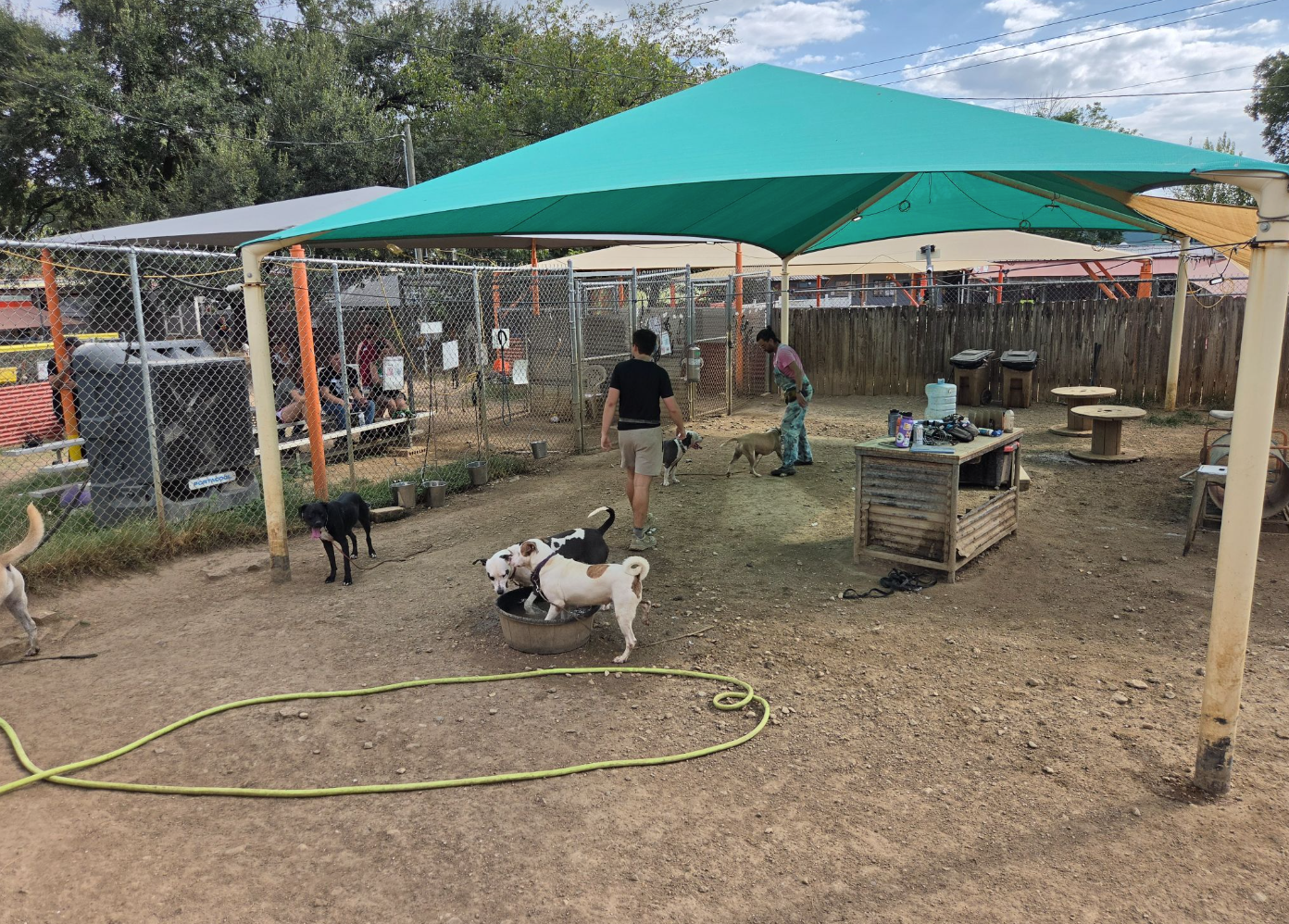
Playgroups are great for socialization, enrichment, and data collection to support adoptability.
In-Shelter Preparation
In addition to adopter-focused education, there are a number of things you can do in-shelter to prepare animals in care for their forever homes. If you aren’t already, consider building adoptability focused behavioral programs into your shelter’s framework, including:
Playgroups: Playgroups are a wonderful tool to assess adoptability, encourage conspecific skills, and provide physical and mental enrichment to reduce behavior issues and increase adoptability. Check out SBI Online to access playgroup support for your shelter.
Behavioral training: Positive reinforcement training can help to increase adoptability by teaching basic manners and providing mental enrichment. To that end, it can be helpful to train your staff and volunteers to engage in behavior-focused practices on a daily basis.
Data collection: Leverage data to identify behavioral trends (both in and out of the shelter) that are associated with long-term shelter stays and re-relinquishment. This can aid in the design of tailored education and interventions.
Crate training: One particularly effective strategy to promote a smooth transition to a new home is to provide dedicated, covered crates for dogs in care. If resources allow, you can even send their familiar crate with them to their new home, making it that much easier for fosters and adopters to create a safe space for their new pet.
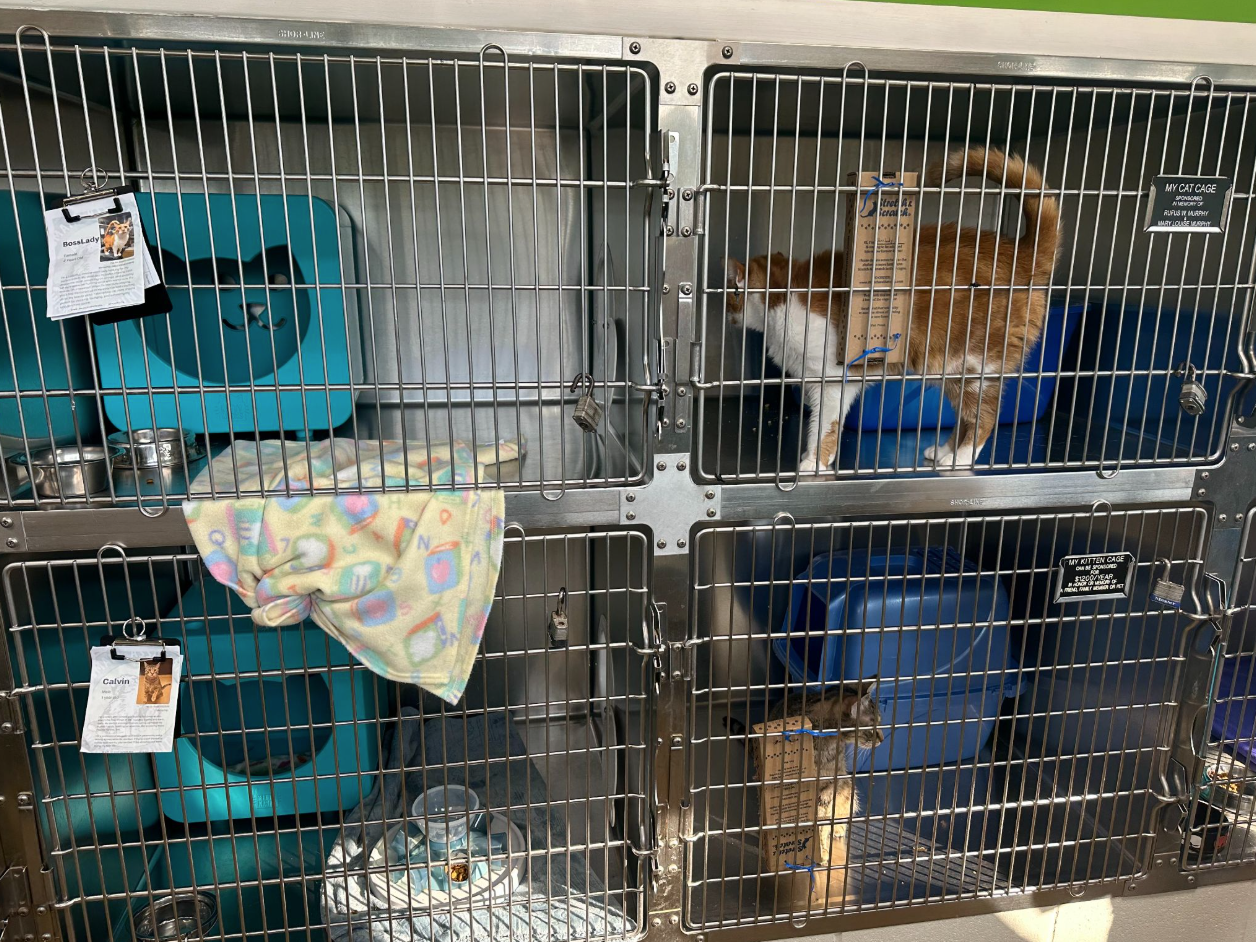
Laurie Lawless is prepared to help shelters with everything from kennel flow to decreasing problem behaviors.
Creating a Behavior-Forward Shelter
A big part of moving animals efficiently through the shelter is finding ways to center animal behavior in your everyday practices. Laurie Lawless started Shelter Behavior Integrations to support animal shelters with education and hands-on services catered to the unique needs of the shelters she works with. Check out the SBI website to learn more about Laurie, access her online resources, and schedule a strategy call today!