Kennel Flow Like a Pro: Designing Shelters With Intention
Kennel flow is one of the key foundations of building a fear-free shelter environment. Good kennel design does passive work to support staff welfare, enrichment, and everyday operations, but an unintentional kennel space can have wide-ranging consequences, impacting everything from the prevalence of problem behaviors to length of stay.
At Shelter Behavior Integrations, it’s our mission to help shelters center animal behavior in every facet of their operations. From building budgets to training volunteers, Laurie Lawless has developed tailored strategies to support animals and staff from the ground up–and kennel flow is a huge part of that. I sat down with Laurie to do a deep dive on all things kennel flow, and she gave me insight into everything from how good kennel design can reduce staff workload to making your kennel space work with limited resources. Read on to learn how to design kennel spaces that work for–not against–your staff and animals, and get Laurie’s expert insights along the way.
Why is Kennel Design So Important?
Kennel design can make or break your shelter environment. An unintentional kennel layout can cause a wide range of issues, which have big impacts on animal welfare and safety. For instance, tight hallways and blind corners can lead to traffic jams and unintended interactions between animals, which is a safety hazard for staff and animals.
On the other hand, good design helps to reduce noise level, increase staff welfare, and reduce length of stay. Here’s what Laurie has to say about how intentional kennel design can help to increase welfare and decrease staff workload:
“If we enhance our kennels in a behavior-forward way, animals will use their environment to cope with stress, rather than relying on us so heavily. If we provide a shy dog with a crate to hide in, staff have to spend less time worrying about their stress levels. If we are able to provide a smaller dog with something they feel safe climbing onto, we will see less defensive behavior during leashing.”
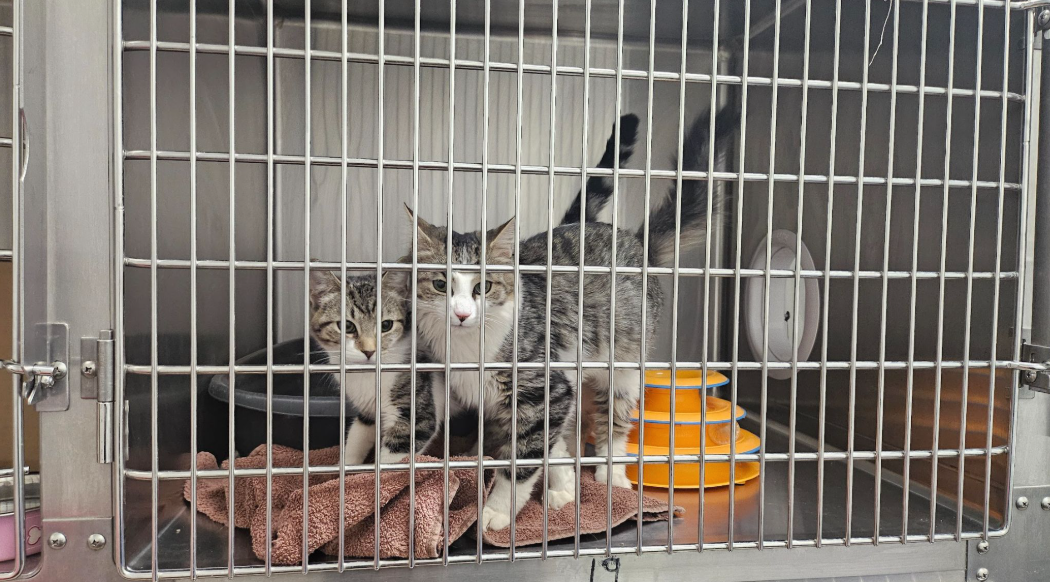
Cats should have access to enrichment and be housed in a double-compartment enclosure with a pass-through portal so that they can eat, drink, and rest away from where they use the bathroom.
Signs That Your Kennel Flow Isn’t Working
Signs of poor kennel flow often start small, but they’ll quickly snowball if you don’t intervene. It’s important that management and staff are trained to look out for key behaviors and to intervene before it's too late. Here’s one of Laurie’s biggest behavioral signs of poor kennel design:
“If you have multiple dogs who put on the breaks or start mouthing staff on the way back to the kennel area after a walk, this is a scream for help and a decreased quality of life. I consider these dogs an emergency to get out of the shelter, asap. If there are multiple dogs at the shelter displaying this behavior, it’s the environment, not the dogs!”
In addition to this glaring sign, there are other subtle behavioral cues to be on the lookout for. If you notice multiple dogs with these behaviors, it’s a good idea to consider whether your kennel flow is causing unintended stress to the dogs in your care:
Leash climbing
Bouncing off of walls
Spinning in circles
Slamming into doors
Extreme noise level
Staff injuries from mouthing and redirection
The Do’s and Don’ts of Kennel Design
With Laurie’s help, we’ve developed an easy-to-follow list of “do’s” and “don’ts” when designing and assessing your kennel area. It’s a given that shelter enclosures should fulfill the basic requirements of the Five Freedoms of Animal Welfare, but it’s worth it to go beyond the bare minimum.
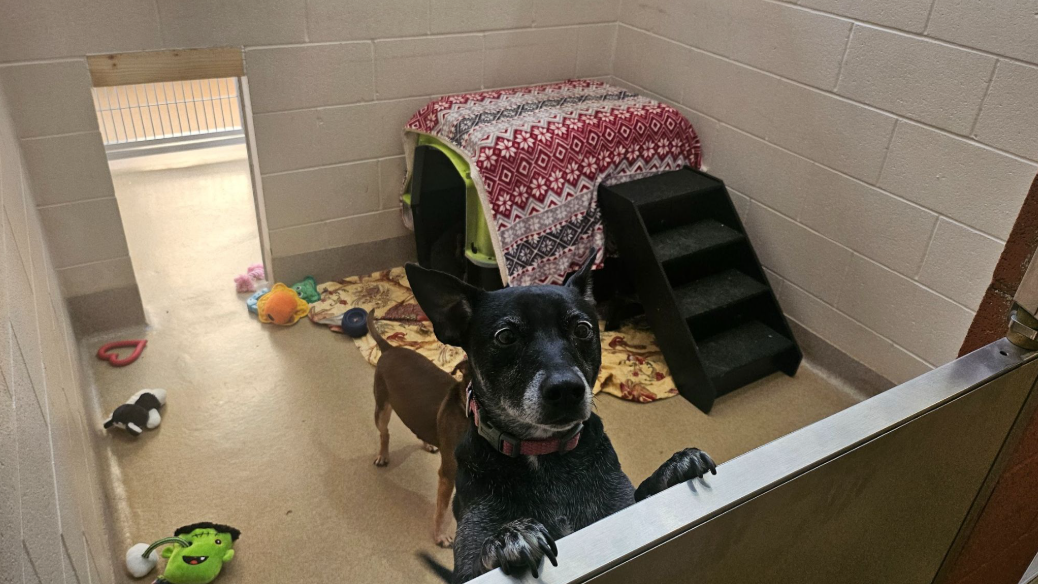
Whenever possible, co-housing animals gives great opportunities for extra enrichment and less strain on staff.
Do:
Have a variety of kennel setups: The best kennel design recognizes that there is no one-size-fits-all solution. Dogs come into the shelter with a wide range of histories, unique needs, and diverging pathway plans, and your kennel design should account for that. For instance, dogs who are staying in the shelter long-term (2+ weeks) require more space, extra enrichment, and increased time outside of enclosures, whereas reactive or fearful dogs might need to be housed in a more secluded, quiet space with limited foot traffic. By designing several different types of kennels, you’ll have more resources to meet the individualized needs of the animals in your care.
Center choice in kennel design: Animal shelters can be overwhelming spaces, filled with novel sights, sounds, and smells. Most dogs enter care already under a tremendous amount of stress, and providing opportunities to exercise choice can go a long way toward mitigating the stressful parts of shelter life. Utilize portals and multiple-compartment kennels to give animals in care the opportunity to choose where they spend their time and to separate resting and feeding areas from potty areas. Additionally, be sure to provide soft resting spots, elevated beds, and spaces to hide within the enclosure itself.
Prioritize co-housing pods: I asked Laurie about her #1 wish when it came to kennel design, and her answer was immediate. “Pods with co-housing–hands down,” she said. “Of course, we will always need to separate kennels for quarantine, medical isolation, and dogs who enjoy their space. But if we could build small rooms, with multiple overnight kennels in them, but leave the dogs out together all day–that would be ideal. The amount of agency, exercise, and rest dogs get in long-term social settings is unbelievable. The design is in my head - I just need a shelter to let me design it for them!”
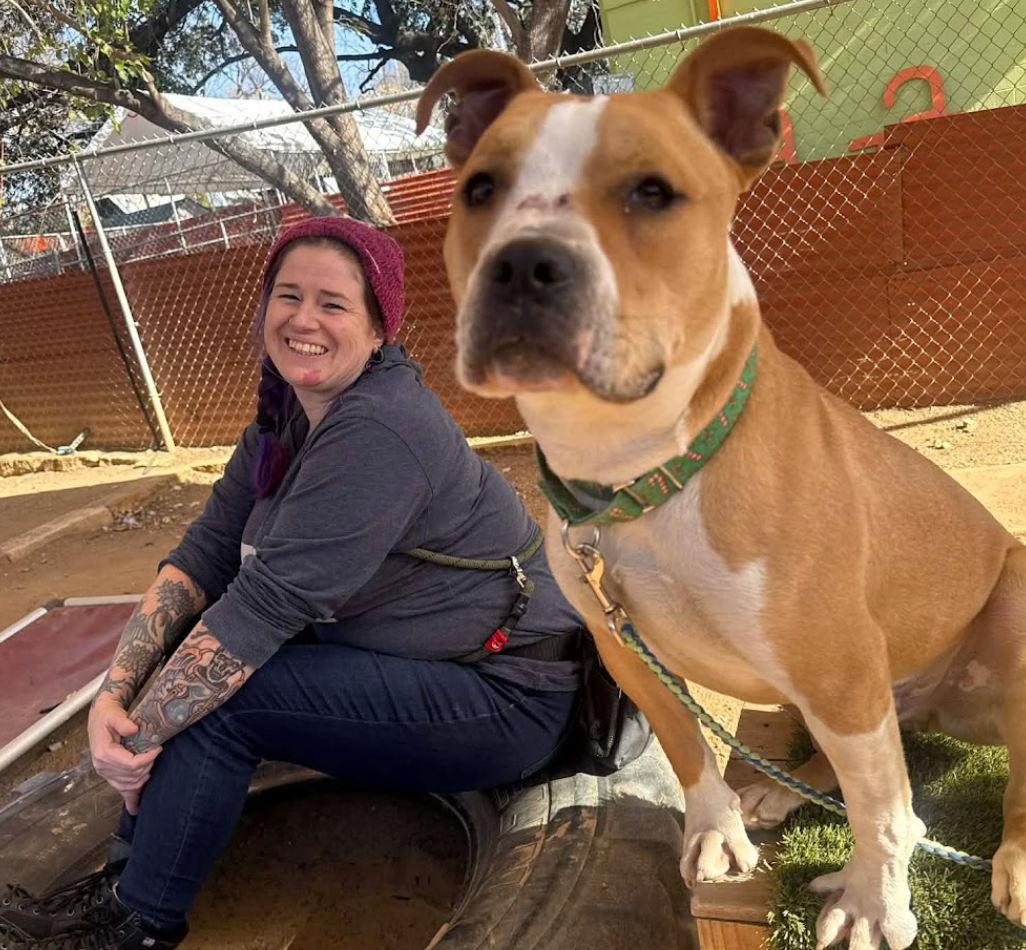
Dogs who cannot be co-housed should get extra enrichment time with staff and volunteers.
Incorporate outdoor space and sunlight: Multiple-compartment housing with access to outdoor space is ideal for animal welfare, especially in the case of co-housed animals. Additionally, outdoor runs If outdoor space is not available, be sure to incorporate plenty of windows, skylights, or solar tubes to provide ample access to natural light.
Keep intake areas quiet, secluded, and calm: Intake is an incredibly stressful time for dogs, so it's important that intake areas are designed with care. “Intake areas should be in a quiet area of the shelter,” Laurie reflects. “Ideally with a door directly to the outside, so the dog does not need to enter the lobby.” When choosing your intake space, be sure to choose somewhere with easy access to the kennel areas, which will allow you to transfer new dogs without unnecessary interactions with other dogs or people. Once you’ve found your intake space, always practice FearFree guidelines when setting it up–think calming music, scents, slip-free flooring, and plenty of high-value treats to keep dogs feeling secure and calm throughout the intake process.
Intentionally incorporate medical spaces: Dogs with medical issues who need to stay under quarantine will inherently have a longer length of stay in shelter. To mitigate the stress of prolonged isolation in shelter, it’s important to intentionally design medical spaces to prioritize enrichment, extra space, and decreased foot traffic. Choose a quiet area of the shelter near the medical area, and be sure to monitor animals closely for signs of increased stress, which can have an impact on healing.
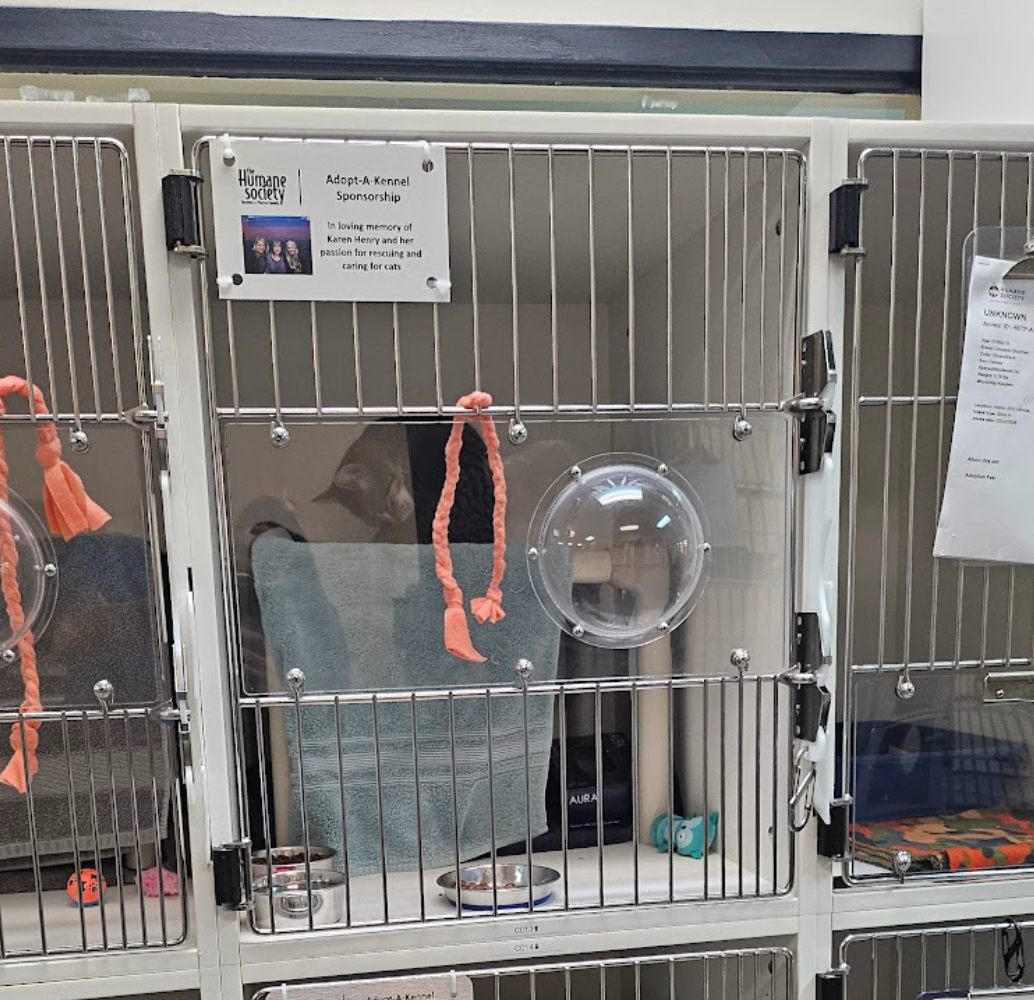
Cat enclosures should feature places for cats to hide, get up high, and a separate compartment to do their business away from their food and water.
Don’t:
Add too many runs in one area: One of the biggest mistakes Laurie notices in shelters with poor kennel design is the addition of too many runs in one area. This creates a situation where narrow hallways, traffic jams, visual stimulation, and excess noise becomes a big problem, decreasing welfare for both staff and animals in care.
Have vaulted ceilings: High, vaulted ceilings lead to significantly high noise levels. “These noise levels often exceed OSHA recommendations,” Laurie reflected during our interview. “They’re dangerous long-term for staff and volunteers, and the poor dogs really struggle as their ears are even more sensitive than ours.”
Ignore flickering lights: Flickering lights have a big impact on animal welfare, impacting their ability to sleep and self-regulate in the kennel space. During our interview, Laurie emphasized this point, stating that “the flickering of fluorescent lights impacts dogs in ways we humans can’t even comprehend.”
Co-house animals randomly: Co-housing is a wonderful form of enrichment, but it should be done intentionally and with extreme care. Before choosing to co-house animals, be sure that each dog has undergone a health and behavioral assessment, and introduce dogs in pairs or in groups to ensure that they’re compatible before being housed together. Only co-house dogs in enclosures with enough space and resources to minimize resource guarding and competition for space, and monitor behavior closely for signs of stress or conflicts.
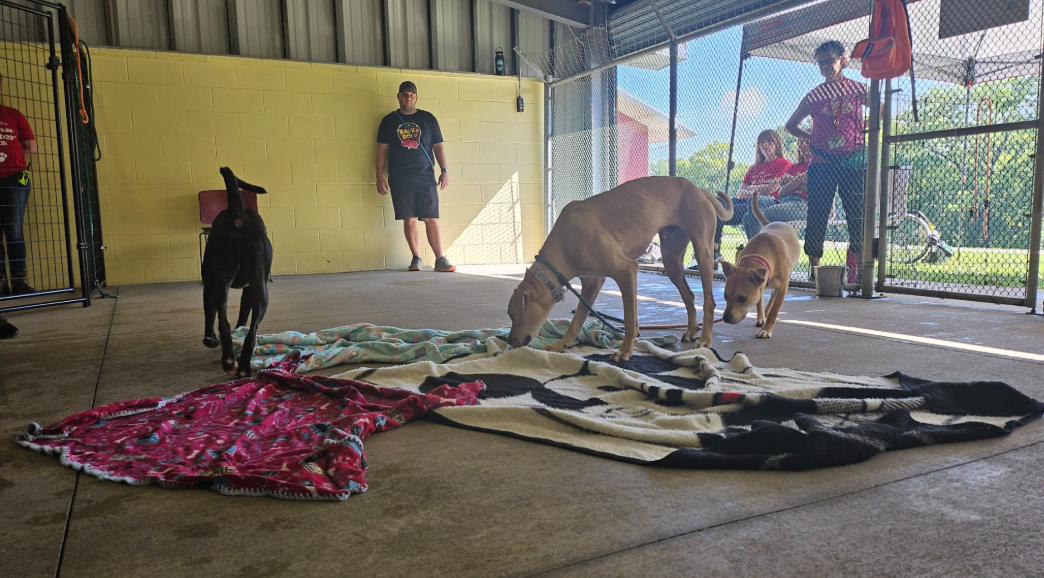
If you’re working on a tight budget, a playgroup program might be the best bang for your buck.
Struggling With Old Facilities or Budgetary Constraints?
In an ideal world, every shelter would have the space and budget necessary to build a kennel run with all the bells and whistles. But the reality is that we don’t always live in an ideal world, and your shelter may be operating with older facilities, budgetary constraints, and limited resources. Here’s what Laurie has to say to shelter managers struggling to make it work when the cards are stacked against you:
“Think outside of the box and recruit volunteers. Let’s say your shelter set up is old and traditional with long rows of kennels and is super loud. Structure the daily routine so that the dogs have great predictability. Daily cleaning is from 7-9, then they get a treat, and everyone clears the floor for 30 minutes to go do laundry. Come back at 9:30 for walks. When walks are done, use scent as a marker for them, then clear the floor again, so they know they have time to rest. Their bodies and brains will start to anticipate the rest times, and they will start relaxing before you even leave the floor. And if you have a challenging set up, playgroups, for dogs who enjoy it, is the biggest bang for your buck. The dogs being outside, together, for longer periods of time, will have more impact and send them back tired. For dogs who don’t enjoy or do well in playgroups, those dogs can have longer, more focused time out with volunteers.”
If your shelter’s kennel flow is affecting the welfare of your staff or animals, it might be time to seek professional help. Laurie Lawless is an animal shelter expert with 16 years of experience in the animal welfare field. Check out Shelter Behavior Integrations to learn more about Laurie, access her educational resources, and fill out her Shelter Interest Form today!