Volunteer Behavior Teams: In Practice
In March, we talked about why you should consider turning your volunteer team into a behavior team. This outside-the-box solution can go a long way toward stretching tight budgets, decreasing length of stay, and insulating full-time staff from burnout and compassion fatigue.
But we didn’t get a chance to talk in-depth about how to actually implement these changes safely and effectively. To that end, we’re back with more insights from Laurie Lawless, shelter behavior expert and founder of Shelter Behavior Integrations (SBI). With Laurie’s help, we’re covering everything from common misconceptions about volunteer behavior teams to her top three practical steps to integrate volunteers into behavior work safely and intentionally. Let’s dive in.
First, Let’s Talk About Some Common Misconceptions
When the topic of volunteer-led behavior work comes up, many animal welfare professionals have some natural concerns. We get it. Shelters have a responsibility to ensure the safety of their staff, volunteers, and animals in care, and it’s easy to assume that volunteers wouldn’t have the skills or experience to handle hands-on behavior tasks. Here’s what Laurie has to say on the matter:
“I often hear that volunteers are too much of a liability to work with non-easy dogs. My perspective is that poorly trained people are a liability, regardless of whether they are staff or volunteers. Well-trained volunteers can be tremendous assets, it’s simply that many shelters don’t have the time, or choose to not spend the time or money to invest into their volunteer programs.”
So, just to be clear, we aren’t telling you to throw your untrained volunteers into a playgroup and see what happens. Instead, we’re advocating for shelters to invest up-front in giving their volunteers the tools necessary to take on behavior-forward tasks–and to allow your shelter to reap the long-term benefits.

“Where I see volunteers having the most fun and the most impact is around the enrichment table making customized items for specific dogs.”
Laurie’s Top 3 Steps to Foster A Behavior-Forward Volunteer Team
So, how do you actually go about integrating volunteers into behavior work? These key steps will get you well on the way to volunteer-run playgroups, enrichment programs, and adoption support teams.
Step 1: Start Small and Work Your Way Up
Building a behavior-forward volunteer team isn’t about throwing untrained volunteers in the deep end and letting them sink or swim. Instead, it’s about intentionally empowering volunteers to take on gradual behavior-focused responsibilities through a combination of training, staff mentorship, and experience.
“Rather than moving volunteers from beginner to advanced all at once, I prefer a tiered system where they demonstrate competency at one level before gaining access to additional responsibilities. This allows people to build confidence and skills gradually while maintaining safety.”
Here’s a list of some of the behavior-forward tasks you might give to a volunteer, starting from entry-level and moving toward more advanced:
Basic observation and reporting
Welfare walks
Enrichment
Helping on off-site trips
Playgroups
Organizing training classes
Adoption support
Step 2: Foster Partnerships Between Staff & Volunteers
Another essential part of running a behavior-forward volunteer team is recognizing that staff and volunteers are not separate entities working apart from each other. In fact, a well-run volunteer behavior team should function as an essential limb of your shelter’s staff, picking up the slack and expanding the capacity that your on-staff behavior experts have to make an impact on animals in care.
In our interview, Laurie gave valuable insight into what this dynamic might look like. “Volunteers can help gather information, provide enrichment, build relationships with dogs, support behavior plans, and expand on what the shelter can accomplish,” Laurie reflected. Staff, on the other hand, “should provide oversight, decision-making, risk management, and accountability.”
By creating clearly defined roles and fostering trusting relationships between staff and volunteers, shelter managers can create a cohesive ecosystem where everybody is able to support and benefit from each others’ unique skills, insights, and experiences.
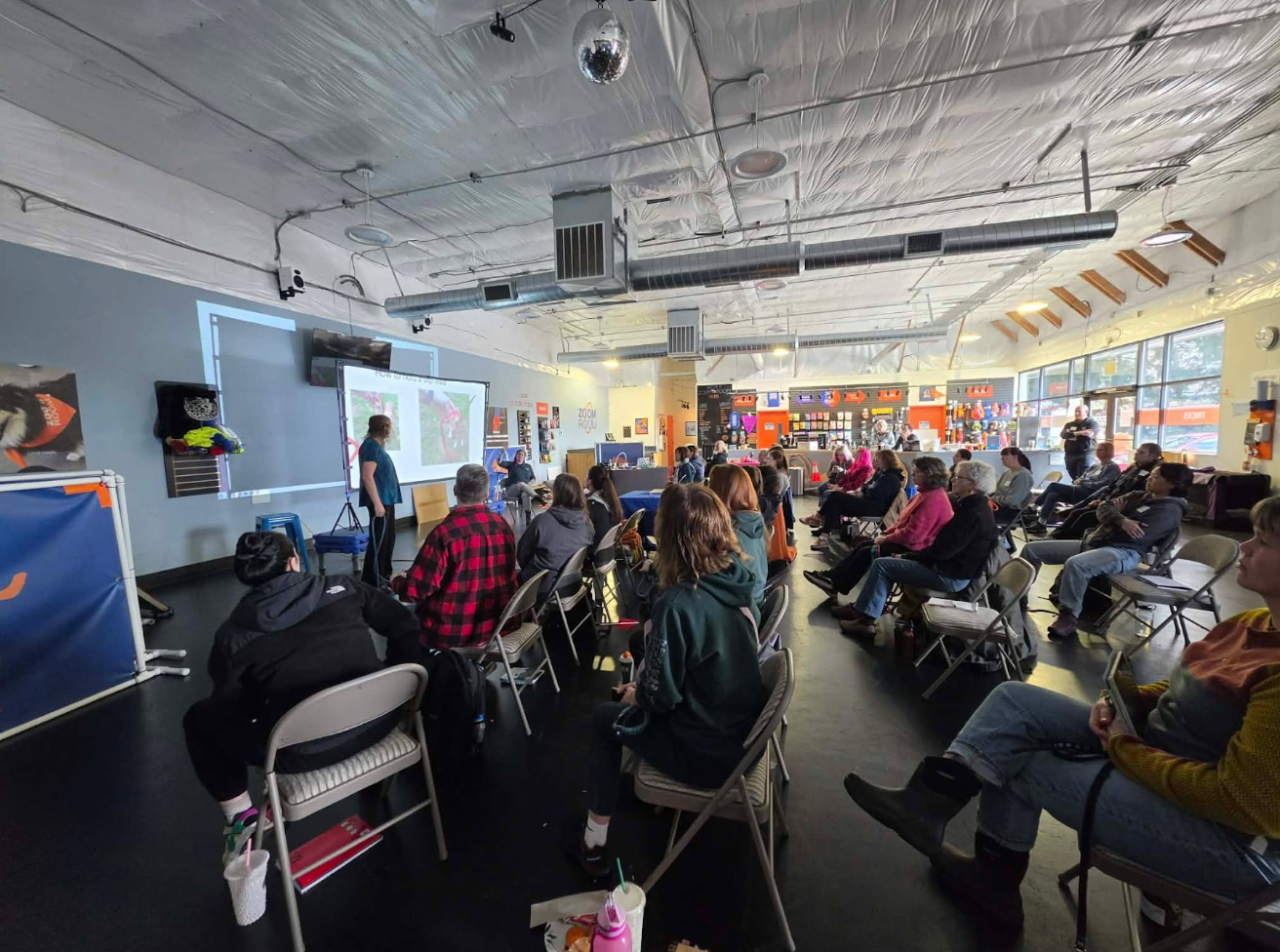
Staff and volunteer training is one of the most important investments you can make into the long-term health of your staff, volunteers, and shelter as a whole.
Step 3: Train Volunteers With Intention
Investing in training–for both staff and volunteers–is one of the best decisions you can make for the long-term success of your shelter. In addition to Laurie Lawless’s on-demand courses, playgroup mentorship program, and free live sessions, some excellent places to look for specialized training on behavior management and playgroup success include:
Trish McMillan’s Shelter Behavior Mentorship Program
In particular, Laurie stresses that training should focus on teaching volunteers how to properly document behavior observations. “Every volunteer should be able to recognize common signs of stress, fear, frustration, and comfort,” Laurie says. “But, most importantly, I want volunteers to understand that observation is more important than interpretation. If they can accurately describe what they saw rather than jumping to conclusions, they become a tremendous asset to the behavior program.”
The Future of Volunteer Behavior Support
To finish out our interview, I asked Laurie what she imagines as an ideal future for volunteer behavior teams. Here’s what she had to say:
“I think the future of volunteer-driven behavior support is moving away from volunteers being viewed simply as dog walkers and toward being recognized as trained members of an animal welfare team. I also see more shelters adopting tiered volunteer programs that allow people to develop specialized skills over time. Rather than every volunteer having the same responsibilities, we’ll likely see pathways for volunteers interested in playgroups, enrichment, behavior support, foster mentoring, adoption counseling, and other specialized roles.”
Laurie paints a beautiful picture of the future of animal welfare, and she’s been working tirelessly to make that future a reality. If you’re interested in giving your volunteers more behavioral responsibilities but unsure of where to start, check out the Shelter Behavior Integrations website to learn what tools and resources are available to you. In addition to a variety of online resources, Laurie offers hands-on support through on-site visits and one-on-one consultations.