How to: Post-Adoption Follow Ups
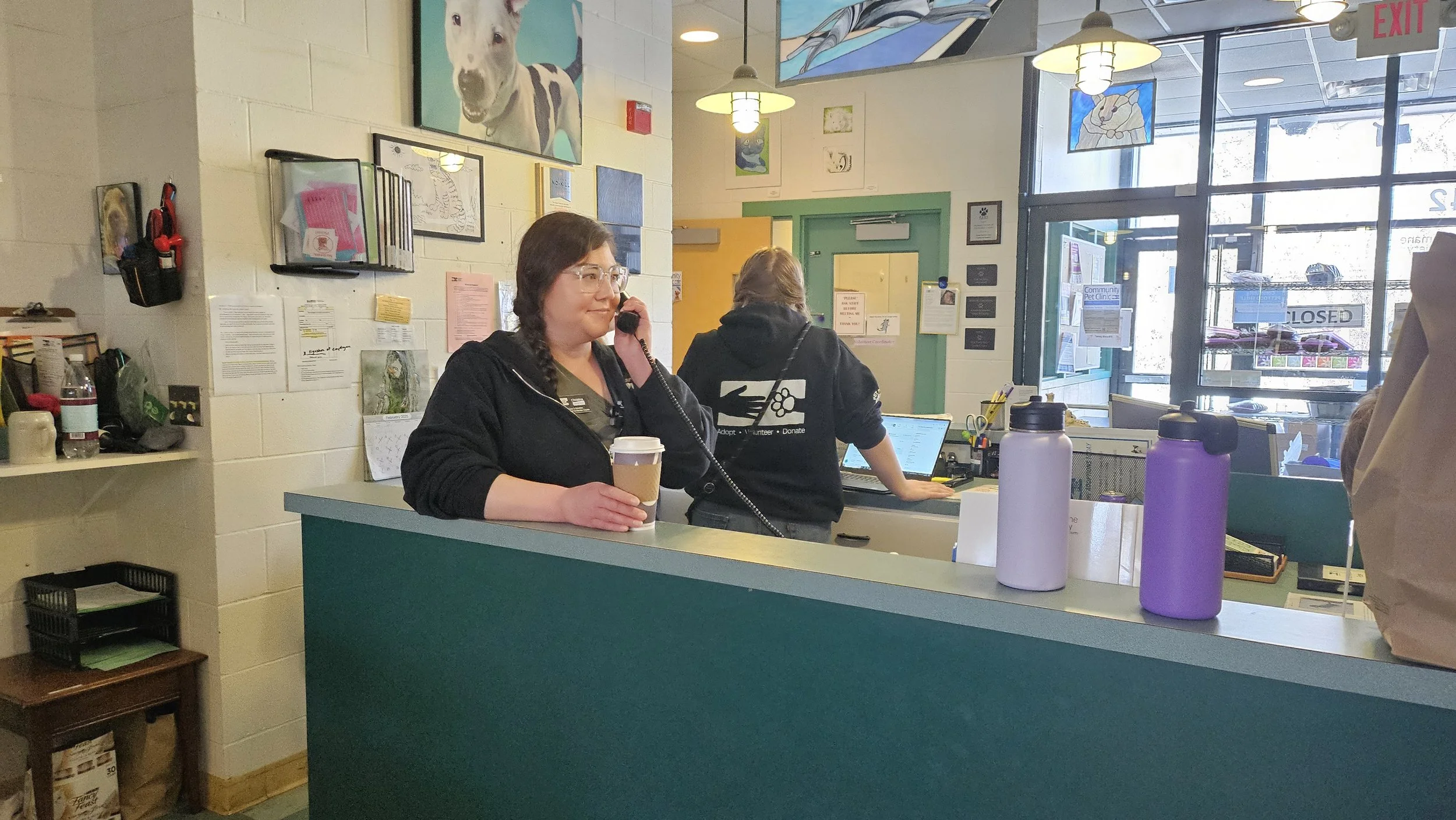
According to research into re-relinquishment, of the estimated four million animals adopted in 2019, around 15% resulted in a return to shelter. Animals are returned to shelters for a number of reasons, including behavioral problems and incompatibility with other pets, and returns to the shelter environment often lead to more stress and a higher likelihood of euthanasia.
We’ve already talked about the importance of implementing post-adoption support protocols, but we didn’t get a chance to dive deeper into a key part of the process: post-adoption follow ups. Let’s talk about how follow ups can be used to make adopters feel supported, to address common post-adoption concerns, and to intervene before it’s too late.
Clearly Assign Roles
To maintain a well-oiled post-adoption machine, you’ve first got to decide which team members will be tasked with follow-up duties. Look for team members with good interpersonal skills, attention to detail, and a solid knowledge of behavioral and medical interventions.
These team members should be able to strike the balance between a conversational but focused phone call, learning the necessary information while still making the adopter feel supported and understood.
2. Maintain a Consistent Schedule
According to the ASPCA, the vast majority of returns happen within the first two months of adoption. Of those two months, the first two weeks are a particularly sensitive period. They recommend completing follow ups on a consistent schedule, prioritizing reaching out on three separate occasions:
Follow up 1: Two days post-adoption, this follow up will evaluate and address any initial growing pains an adopter might be feeling as they integrate their new pet into their home. Be prepared to discuss things like separation anxiety, fearfulness, repetitive behaviors, introductions with other pets, and excessive vocalizing.
Follow up 2: Ideally, this follow up will occur 7-10 days post-adoption. Now that the animal is beginning to adjust to their new home, this call should address any outstanding behavioral or medical concerns that have the potential to linger. You might encounter topics like inappropriate elimination, reactivity, destructiveness, on-leash behavior, and any food or resource issues that might be cropping up.
Follow up 3: This follow up, which should take place about a month and a half post-adoption, should evaluate any lingering issues. At this point, the adopted animal is likely beginning to feel comfortable in their new home, so this follow up is likely to cover sustained behavioral issues that have not gone away with time and comfortability.
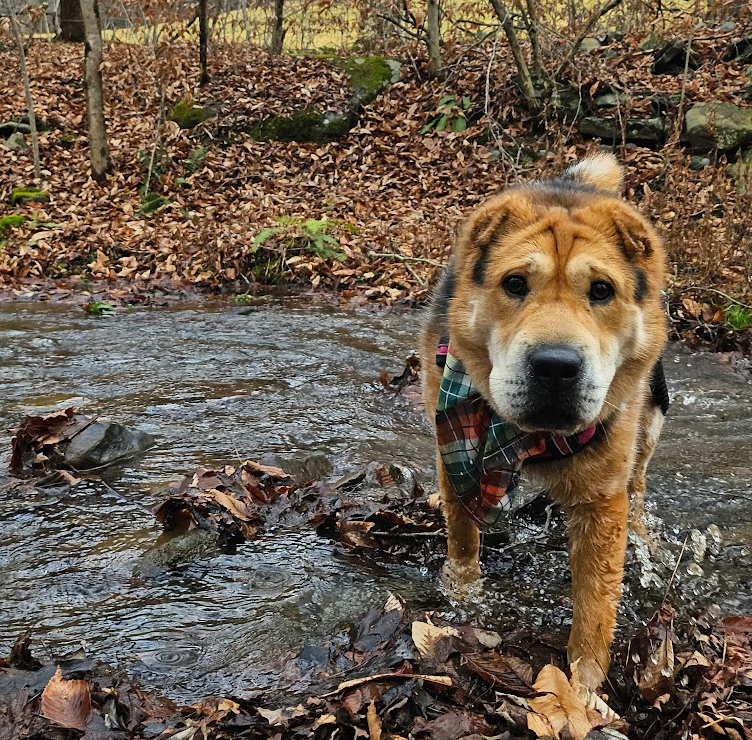
Adoption is an exciting time, but it can also be scary. Most dogs take some time to adjust to the new sights, smells, and sounds of their adoptive homes, sometimes leading to behavioral and medical struggles.
3. Be Ready with Medical and Behavioral Resources
In a UK study of post-adoption health and behavioral struggles, over 50% of adopters reported at least one behavior concern during the post-adoption period. Shelter animals are already more likely to experience behavioral issues, and the transition to a new home can be difficult for dogs and cats who are already under large amounts of stress. Follow-up staff should be prepared with advice and resources for common behavioral and medical issues, including:
Aggression
Housetraining issues
Noisiness
Destructiveness
Resource guarding
Kennel cough
Gastrointestinal issues
Consider having ready-to-go resources on common behavioral struggles and how to address them. For instance, if an adopter is struggling with destructiveness and noisiness, staff might send them some common enrichment techniques that can be utilized at home. Additionally, you might have a list of local vet clinics and animal behaviorists on hand for staff to point adopters toward trusted professionals who can help. Additionally, your shelter might consider utilizing post-adoption tools, like Petszel, to help guide adopters through their first stages of pet parenthood.
4. Have a Plan to Intervene
If an emergency medical or behavioral issue is reported, be sure that staff have a protocol to intervene in a timely manner. Plan ahead by deciding on criteria that should warrant intervention, like frequent bite instances or signs of chronic health conditions. Be sure to develop some standard practices that staff should follow in the event of a medical or behavioral emergency, and provide effective training to ensure that staff members have the tools to respond when the time comes.
Laurie Lawless founded Shelter Behavior Integrations to give shelters the tools to center animal behavior in their everyday practices.
Struggling to Build Sustainable Post-Adoption Protocols?
Running an animal shelter often means putting out small fires on a day-to-day basis. With so many urgent needs to attend to, it can be hard to zoom out to look at the big picture. Shelter behaviorists, like Laurie Lawless at Shelter Behavior Integrations (SBI), can help you to see the forest through the trees. If your shelter is plagued with high intakes and low outcome rates, consider seeking the help of a professional like Laurie.
SBI offers a number of services for every price point, from boots-on-the ground visits to address day-to-day operations, staff training, and behavior programs to virtual support and mentorship programs. Check out the SBI website to see what Laurie has to offer and book a one-on-one strategy call today!