Three Common Shelter Behavior Struggles
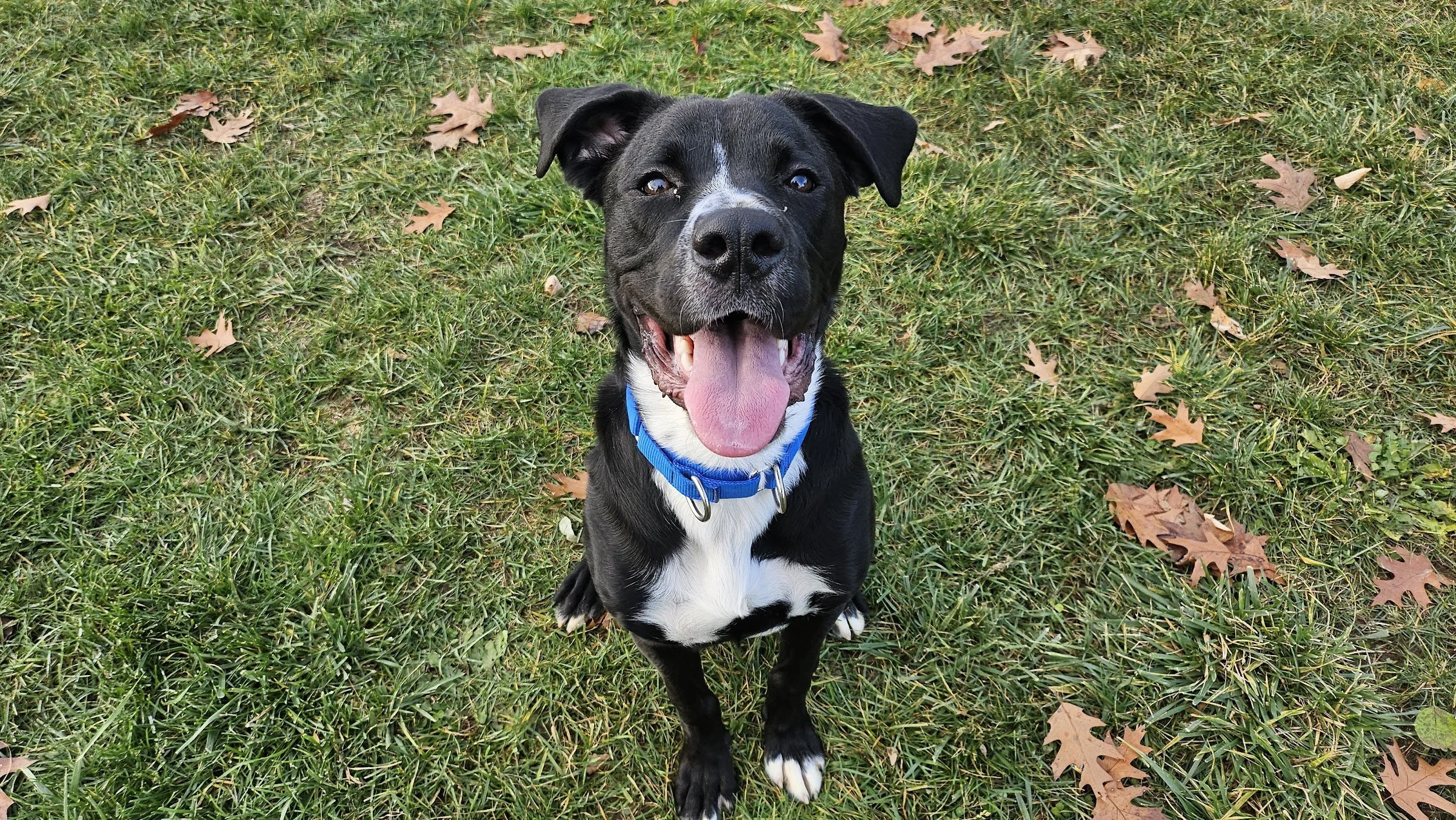
There’s no denying that shelter life can be stressful to animals in care. Even in the best of circumstances, shelter dogs face high levels of novelty, unpredictable environments, and separation from attachment objects and people. According to a study of shelter dog behavior and cortisol levels, “these are classes of psychological stressors that are known to activate the hypothalamic–pituitary–adrenal (HPA) system and to have widespread effects on physiology and behavior.”
Chronic stress, if left unmanaged, can lead to a number of health and behavioral outcomes. From aggressive and destructive behaviors to physical illness, stress and anxiety can manifest in a number of ways. Let’s talk about some of the most common ways that the shelter environment tends to affect shelter dogs–and what your shelter can do to address it.
Adoption Barriers & Relinquishment
Reported barriers to adoption and reasons for relinquishment can give us some helpful insight into some of the most challenging behavior issues seen in shelter animals. Among those animals relinquished to shelters, many struggled with issues like destructiveness, noisiness, aggression, and incompatibility with other pets.
Additionally, many potential adopters have reported a set of behaviors, also known as “adoption busters,” that led them to pass over certain dogs. These included things like aggression, kennel and barrier displaying, hyperactivity, and jumping/mouthing during initial meetings. Though dogs who display these behavioral struggles are often labeled “aggressive” or “unmanageable,” it’s usually the unique circumstances of the shelter environment that are to blame. It’s our job to do what we can to mitigate these behavioral struggles to support shelter animals’ psychological welfare and to give them the best chance of finding an adoptive home.
Barrier Displaying
Dogs rely heavily on smell to perceive the world. Where people have only six million sensory receptor sites in our noses, dogs have over 100 million, and the canine brain region associated with odor analysis is almost forty times larger than the comparable region in a human brain. As a result, dogs have a biological drive to obtain information about new people and dogs through close-up, sniff-filled meetings.
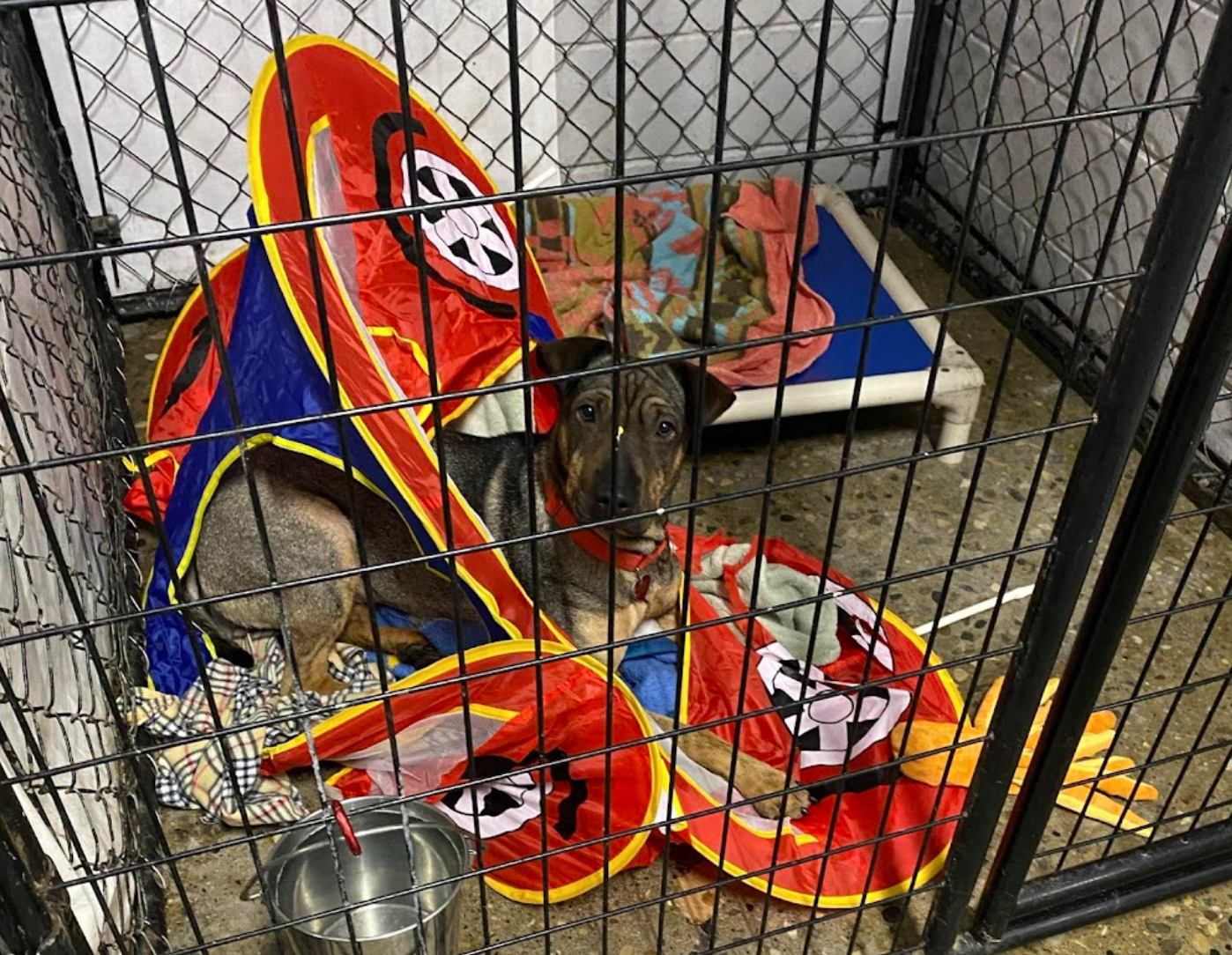
Dogs are naturally compelled to examine novel stimuli. Kennels can make it difficult to do so, sometimes leading to kennel frustration and reactivity.
Unfortunately, the kennel environment makes this kind of sensory exploration difficult. As people and dogs move through the kennel run, kenneled dogs will have a natural instinct to examine them–and be repeatedly unable to do so. This can lead to barrier frustration, which is caused by repeated and compounding stimuli combined with the restricted ability to explore. This can lead to behaviors like barking, growling, lunging, and even snapping or biting.
As frustration compounds, barrier reactivity can turn into an ingrained behavior, even bleeding into interactions outside of the original kennel context. For instance, kenneled dogs might be chastised or punished by visitors as they pass, leading to a generalized negative association with people. Likewise, un-kenneled dogs may respond defensively to barrier displays, causing the kenneled dog to develop a negative response to other dogs over time. Kennel frustration can lead to on-leash reactivity and, eventually, into generalized reactivity even when the barrier is removed. Here are a few ways to address barrier displays:
Limiting visual access: If barrier displays are caused by visual triggers and stimuli, then one natural solution might be to limit visual access within the kennel. If you notice that a dog is prone to barrier frustration, intervene early and consider moving them to a more quiet and secluded area of the shelter.
Positive reinforcement: If barrier frustration is the result of compounding negative stimuli, then another solution could be to turn the negative association into a positive one. In this scenario, staff might reserve a portion of a kenneled dog’s daily meal ration and/or treats to be stored near the kennel. As staff, volunteers, and visitors walk by, they can use these rewards to create a more positive association with visitors to the kennel run. This option should only be utilized if it is safe to do so–if a dog is prone to biting, this solution may not be a good fit.
2. Aggression
Another common behavioral struggle for shelter dogs, aggression can have major implications for safety and adoptability. While aggression is something to be taken seriously, it is often misunderstood in shelter dogs. By simply labeling a dog as “aggressive” without examining the underlying causes, we underserve the animals in our care and negatively affect outcomes for our shelters. Let’s talk about some ways to address aggressive behaviors in the shelter context.
Consider context: Before ascribing an “aggressive” label, try to consider the context in which the aggressive behavior is occurring. Was the dog surprised, feeling trapped, in pain, or being restrained? These could all be reasons why a dog might growl, snap, or even land a bite.
Utilize bite scales: If a dog has landed one or more bites, a bite scale can be a helpful tool to evaluate severity and necessary intervention.
Adjust handling strategies: Sometimes, something as simple as reaching over a dog’s head can make them feel defensive and trapped. For dogs displaying aggressive behavior, create an alternate handling plan for staff to follow.
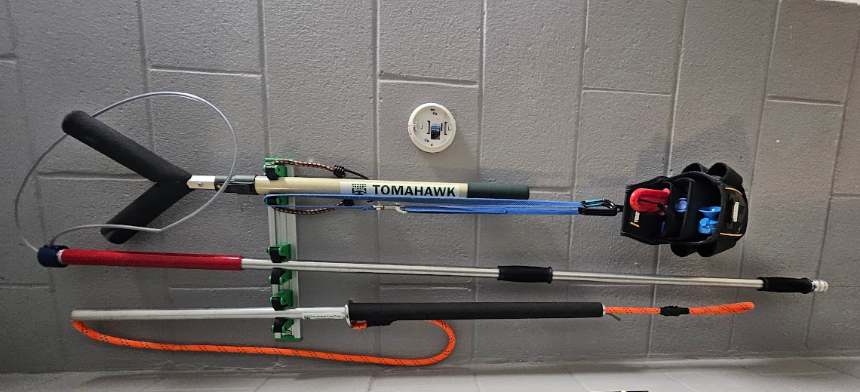
One way to manage in-shelter aggression is to invest in safety tools.
Consider body language: Staff and volunteers should receive extensive training in dog body language to be able to recognize signs of discomfort and intervene before an incident can occur. This can be especially helpful in a playgroup setting, where multiple different play styles can easily escalate into a fight if not managed appropriately.
Intervene early: If aggressive behavior is allowed to fester, it can become ingrained. Early behavioral interventions and training can help to stop aggressive behavior before it ever has the chance to take root.
3. Hyperactivity & Destructiveness
Dogs are highly social creatures. They’re hard wired for connection and for activities like hunting, digging, and sniffing, but the shelter environment doesn’t provide many opportunities to perform any of these behaviors. Instead, shelter dogs spend much of their days in isolation with very little stimuli. This can lead to compulsive behaviors, like pacing, circling, bouncing off the walls, and over-excitability when meeting new people. All of these can be off-putting to potential adopters, leading these dogs to be unfairly labeled as “hyper” or “unmanageable.” Ways to address this problem include:
Proper enrichment: Enrichment is any intervention that allows an animal to engage their natural instincts. This can include things like playing calming music, introducing new smells, providing novel treats and toys, and giving opportunities for social interaction. Click here to learn more about providing enrichment in your shelter.
Housing design: Group and pair housing can give dogs more opportunities for social interaction with each other. Additionally, kennel runs can be designed with seating, books, and magazines to make them more human-friendly, promoting prolonged visits with staff and potential adopters.
Playgroup programs: Playgroup programs are known to improve outcomes, allow for more accurate behavioral assessments, and increase adoptions, providing excellent enrichment for multiple dogs at once. Click here to learn about creating a playgroup program at your shelter.
Behavioral training: All shelters should have a dedicated behavior team to support the implementation of training, enrichment, and rehabilitation programs. Regular behavior training can provide mental stimulation, improve confidence, and reduce boredom and stress.
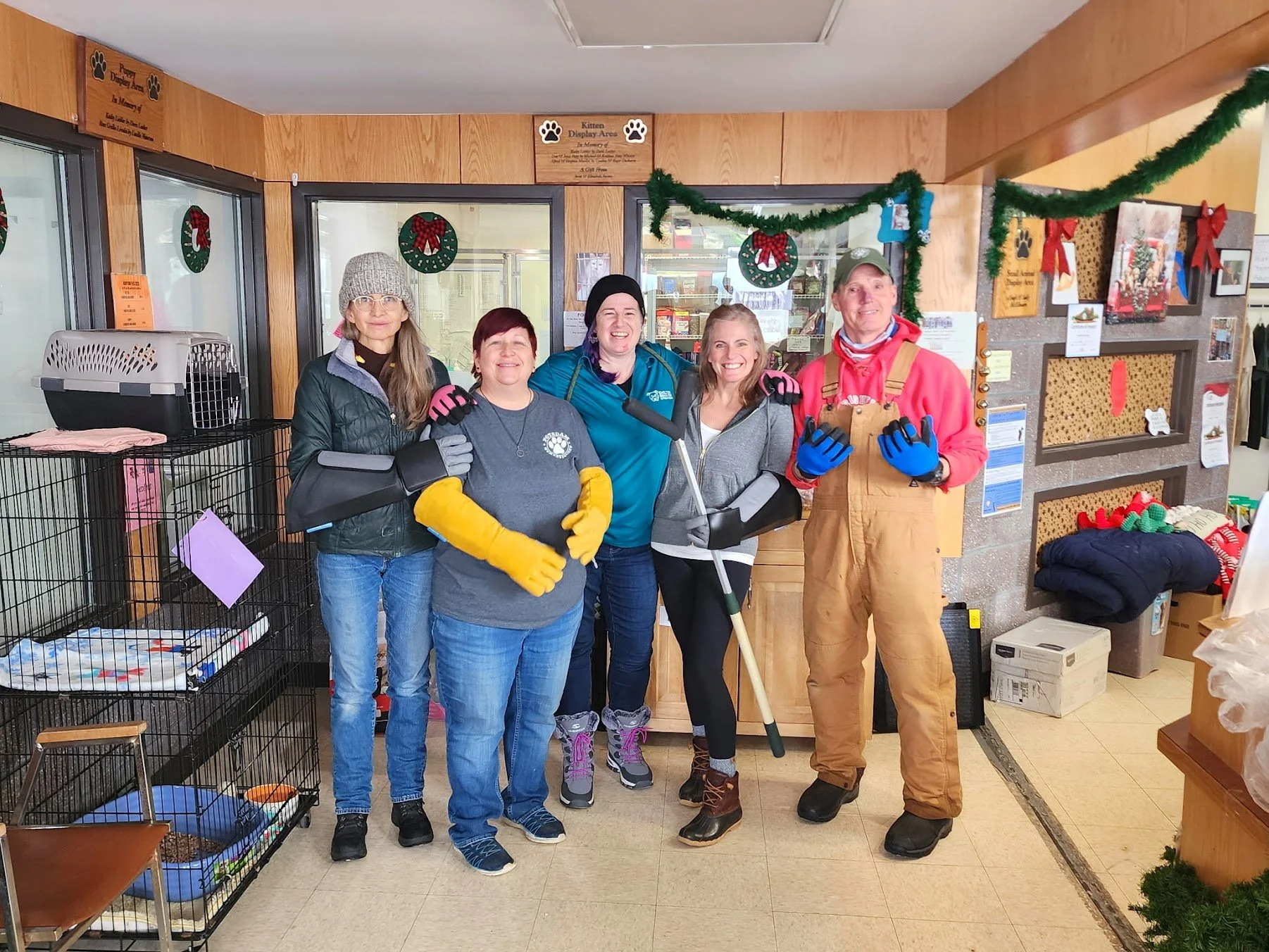
If your shelter is struggling with behavioral interventions, consider enlisting a shelter behavior expert. Laurie Lawless offers hands-on, personalized support to help shelters center animal behavior in their daily practices.
Making Changes at Your Shelter
If your shelter is struggling with behavioral problems, it’s likely that the issue lies within your shelter’s culture more so than with the individual animals in your care. To ensure that your shelter is equipped to manage challenging behavior, you must first ensure that your staff and volunteers have the tools to do their job effectively. Understaffing, lack of resources, and burnt-out volunteers will make it less likely that staff will have the time or energy to engage in behavior interventions.
If this sounds like you, it might be time to seek an expert’s guidance. At Shelter Behavior Integrations, Laurie Lawless is working tirelessly to give shelters the tools to center behavioral wellbeing in their everyday practices. We offer a number of services for your unique price point, like flexible online training and mentorships, remote support, and on-site training for hands-on intervention. Schedule a one-on-one consult call or complete our shelter interest form to get started!