Managing Long-Term Stays in Animal Shelters
Long-term stays have a huge impact on animal shelters, ranging from decreased staff welfare and capacity for care to increased levels of stress-related behaviors. The longer a dog stays in the shelter, the more likely they’ll suffer from stress-related complications, such as behavioral issues and illness. Wherever possible, shelters should be working to move dogs through the shelter as quickly as possible–but what can we do when this just isn’t a viable option?
Long-term stays aren’t ideal, but they’re sometimes an unavoidable reality in the animal welfare space. Let’s talk about some strategies to move animals efficiently through the shelter and to manage those who have to stay with us longer than ideal.
Decreasing the Likelihood of Long-Term Stays
“An ounce of prevention is worth a pound of cure.” All the way back in 1736, Benjamin Franklin famously used this phrase to encourage fire safety in Philadelphia. Flash forward to today, and it’s still as relevant as ever. There are plenty of strategies to mitigate the effects of long-term stays on animal shelters, but our first priority should always be prevention. Let’s talk about some quick strategies to ensure that animals are moving intentionally and efficiently through your shelter.
Pathway Planning
Intentional pathway planning is one of the most effective ways to ensure you’re moving animals quickly through the shelter. At intake, each animal should be assigned a “pathway,” constituting a set of steps to be taken toward that animal’s optimal outcome. This will ensure that animals don’t languish in the shelter without a plan in place, that your shelter has the resources to get each admitted animal from point A to point B, and that you’ve got enough resources for animals that need to stay long-term.
Data Collection & Reporting
As animals move down their assigned pathway, it’s important to track their progress utilizing good data collection and reporting techniques. Daily rounds, accurate behavioral observations, and regular staff check-ins are essential to determine what’s working and what needs to be re-assessed.
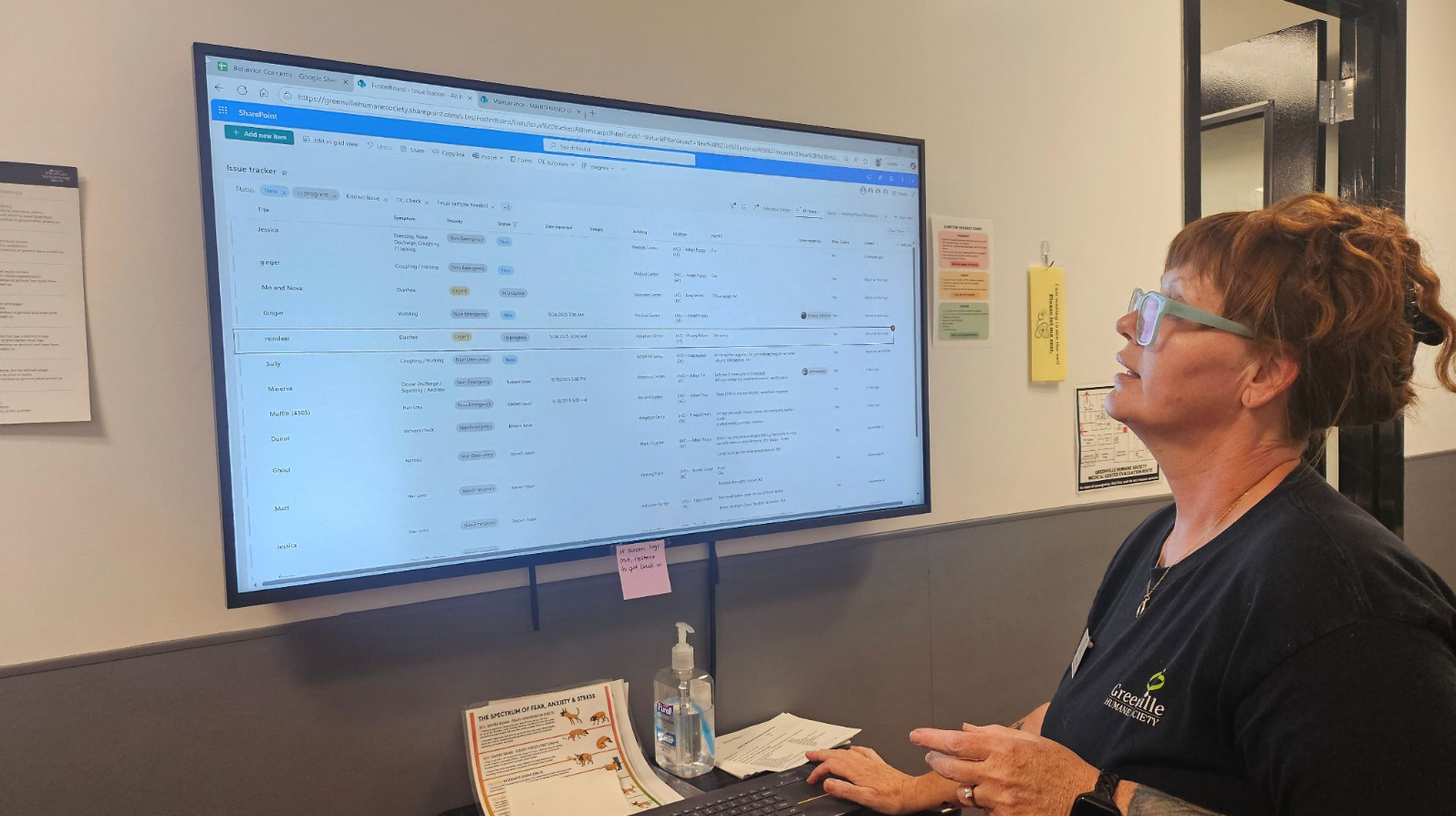
Having a clear and consistent way to record, analyze, and communicate in-shelter data is a game changer for managing pathways and supporting long-term stays.
Managing Physical & Behavioral Health in Long-Term Stays
Sometimes adopter biases, medical challenges, or behavioral needs create roadblocks in an animal’s assigned pathway. While prevention is ideal, long-term stays are an inevitable part of running an animal shelter.
That’s why it’s essential for shelters to have the foresight to manage the excess stress and medical vulnerability of animals staying in the shelter for a longer period of time. By having these tools and strategies in place ahead of time, you’ll set your shelter up for success to support the behavioral and physical health of long-term residents in your care.
Kennel Design
Exposure to novel environments, unfamiliar handlers, reduced space, high noise levels, and fewer opportunities for exercise and interaction with humans and other animals can lead to long-term impacts on behavior, health, and quality of life. In the case of dogs staying long-term in the shelter, this stress is often compounded, leading to wide-ranging issues that can emerge even after they’ve left the shelter environment.
Intentionally designed kennel runs can help to mitigate some of these issues, safeguarding behavioral and physical health wherever possible. It’s important to prioritize variety, enrichment, noise reduction, and predictability in all of your kennel areas–and this goes double for kennel areas housing long-term residents. Here are some extra considerations to keep in mind when designing kennel areas housing long-term residents:
Maximize space and comfort: Provide extra room for long-term residents to stretch, play, and move naturally throughout their kennel area, with double-compartment kennels and soft bedding included wherever possible.
Limit stimulation: Design your kennel run so that long-term residents are housed in secluded, quiet space with limited foot traffic, noise dampening, and limited view of other stressed animals.
Increase enrichment: Design kennel spaces for extra enrichment and prioritize extra time with staff to mitigate the natural stress of a long-term shelter stay.
Prioritize companionship: Wherever possible, long-term stays can benefit from being housed with a carefully matched companion. Co-housing increases agency, exercise, and rest in long-term settings, and companionship is a useful tool to increase enrichment and fend off excess stress.
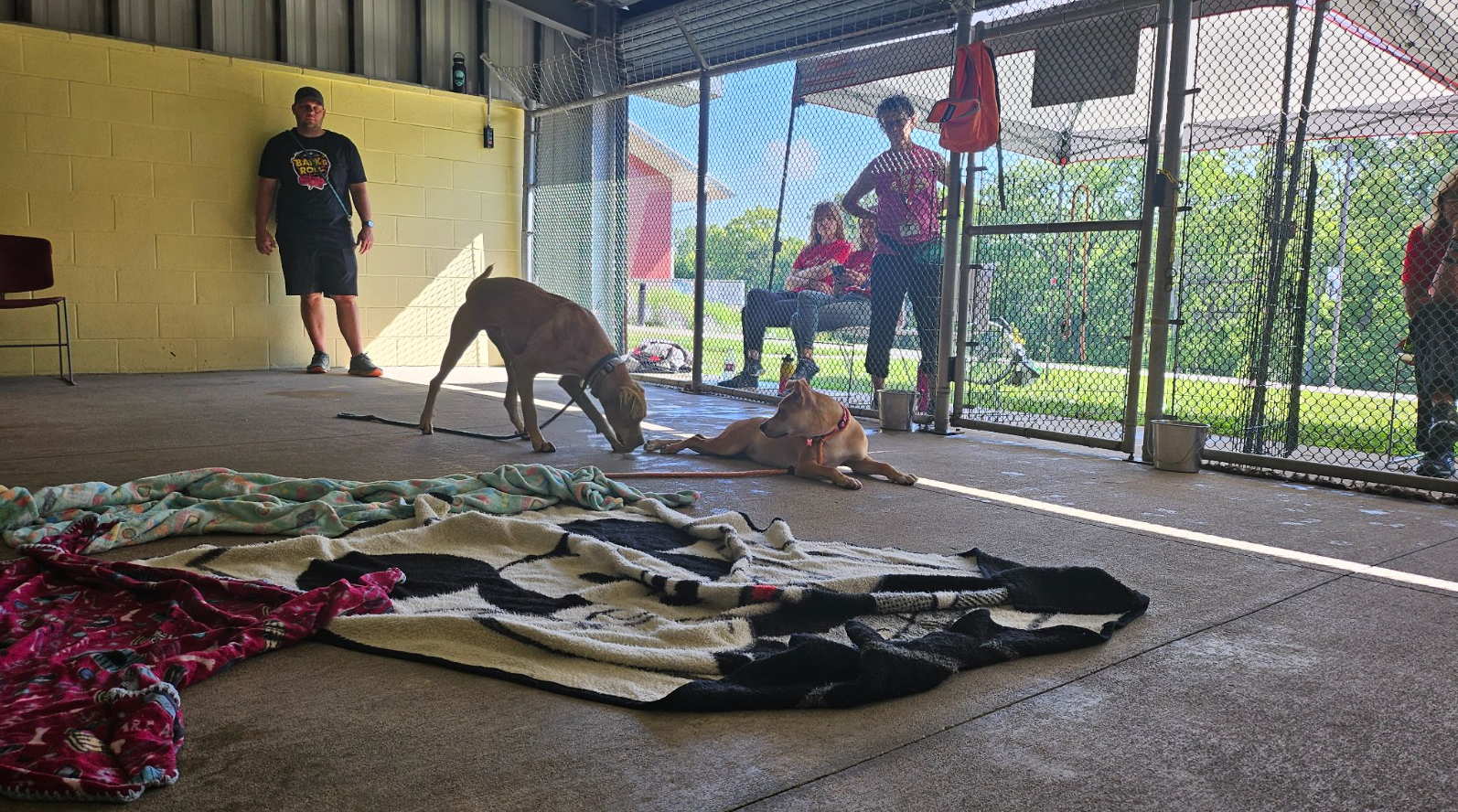
If your shelter is struggling to support the enrichment needs of multiple long-term residents, playgroups are a great way to get more bang for your buck.
Enrichment & Playgroups
Because long-term shelter residents suffer from a lack of exercise and interaction, it’s important to pay extra attention to these dogs when it comes to planning your enrichment protocol. Increased interaction with staff, behavioral training, in-kennel enrichment time, and playgroup participation can help long-term residents to maintain physical and behavioral health and make them more appealing to potential adopters.
Disease Control
Health issues can have a huge impact on an animal’s ability to move efficiently through the shelter, and long-term stays are at an increased risk of developing illness and disease. In a shelter with many long-term stays, it’s important to intentionally prevent, monitor, and manage disease transmission by:
Administering timely vaccines: Immediately at intake, it’s important to administer all core vaccinations. This will help to minimize infections and prevent widespread outbreaks, which could create further complications for already vulnerable long-term residents.
Completing daily rounds: Daily rounds are an essential way to monitor behavioral welfare, but they’re also important for ensuring that animals receive timely medical intervention when necessary. Make sure that your shelter has a system for completing daily rounds and that behavioral observations are documented effectively.
Managing medical isolation: If medical symptoms are recorded during intake or daily rounds, ensure that your shelter has a system to intervene promptly to halt community spread. Move sick animals to medical isolation, coordinate off-site care, and carefully monitor animals receiving ongoing treatment in foster homes.
Moving Long-Term Residents Through the Shelter
While managing and mitigating the effects of a long-term shelter stay, it’s important to continue making proactive progress toward each animal’s desired outcome. Make sure that animals who are identified as at-risk for a long-term stay receive prompt attention through efforts like:
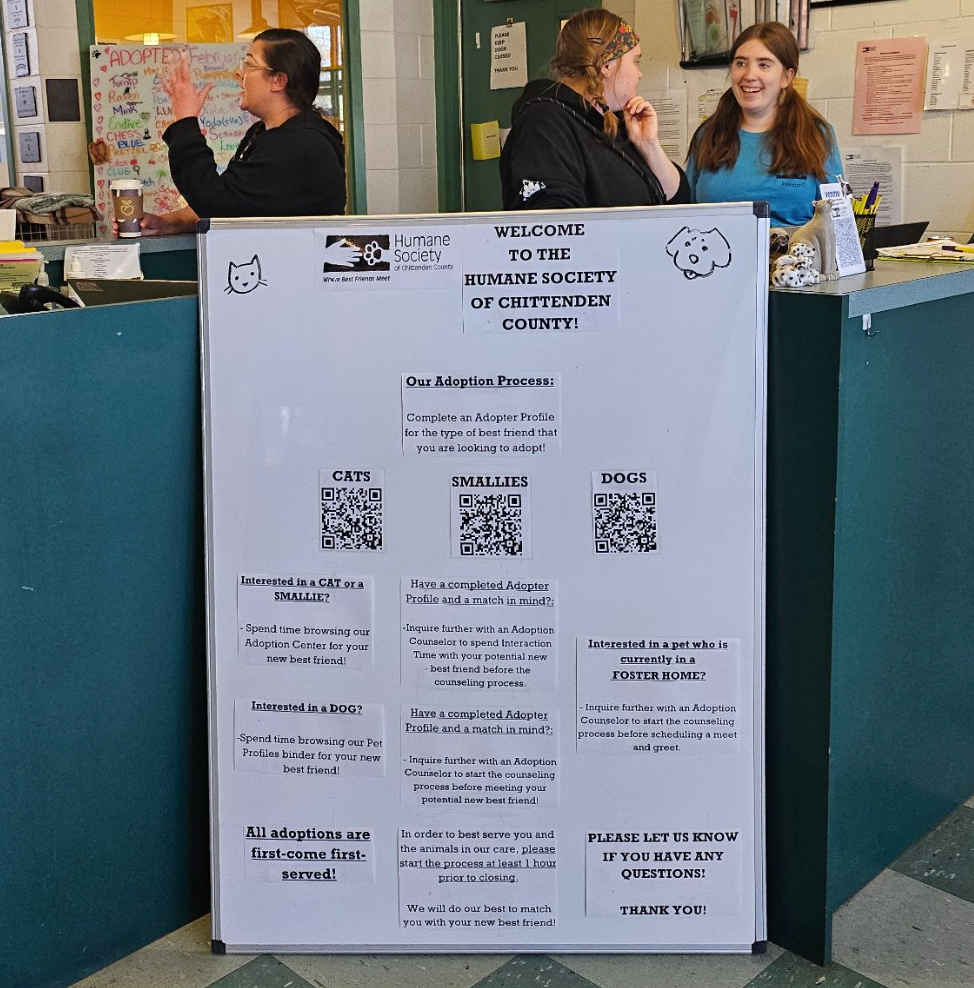
Signage in public-facing entryways and walkways can be utilized to strategically point potential adopters toward at-risk dogs and cats.
Engage in Online Marketing
Social media and other forms of online marketing are some of an animal shelter’s most valuable–and, often, least utilized–tools. Create a social media marketing campaign aimed at finding adopters for long-term residents, utilize one-off posts to share at-risk residents’ stories, and keep your website up-to-date with photos, videos, and engaging bios for all of your long-term residents.
Prioritize Fosters
Oftentimes, our long-term residents simply don’t have the opportunity to let their personalities shine when housed in a stressful shelter environment, which can really limit adoptability. Wherever possible, utilize fosters to get at-risk pets out of the shelter to decrease stress and allow their true personalities to shine through. This creates a low-commitment way for fosters to get to know pets they might not have given a chance to otherwise, and it creates the opportunity for better marketing to potential adopters via social media.
Maximize Visibility (In & Out of the Shelter)
In order to get our long-term residents adopted, we’ve got to ensure that potential adopters can actually see them. Kennel signage, adoption events, and off-side day trips to promote your long-term residents and help them to stand out to potential adopters.
Struggling to Keep Up With Intakes & Long-Term Residents?
Managing length of stay is one of the biggest challenges facing most shelters today. If you’re struggling to juggle high intakes while getting long-term stays out the door, it might be time to consider expert help. Laurie Lawless is an animal shelter expert with 16 years of experience in the animal welfare field. Check out Shelter Behavior Integrations to learn more about Laurie, access her educational resources, and fill out her Shelter Interest Form today!