The Role of Social Media in Fundraising, Promotion, and Community Engagement
When you boil down some of the most pervasive issues plaguing animal shelters–overcrowding, staff burnout, high euthanasia rates, etc.–you’ll find a common cause at their root: insufficient funding. Without funds, shelters aren’t able to pay their staff a living wage, to update outdated facilities, or to build intentional behavior programs. These things have a trickle-down effect, impacting a shelter’s capacity for care and directly hurting animals in care.
We’ve talked a lot about how shelters can engage in proactive financial planning, forecasting, fundraising, and grant writing to increase their capacity for care. An important (and often overlooked) part of these efforts hinges around engaging with potential donors on social media. Let’s talk about how you can utilize social media to bring your animal shelter’s fundraising into the modern age.
Why Bother With Social Media?
Social media is a huge part of our culture, but surprisingly few shelters intentionally utilize it in their fundraising efforts. Most shelters only have a basic website and rudimentary social media presence, passively relying on online donors and potential adopters to come to them instead of actively appealing to their target audience. This creates a situation where many shelters are dependent on the economic well-being of the geographical region they’re operating in, which leads to limited funding sources for shelters serving low-income areas.
While it’s important to engage with your immediate, local community, many shelters fail to realize that long-term financial health depends on diverse funding sources. Social media gives shelters opportunities to build long-term relationships with donors, to get their message out to more potential supporters, and to learn more about who their supporters are.
3 Easy Ways to Start Incorporating Social Media Today
In the digital age, there are a LOT of ways that you can engage with potential donors and adopters–which is both a blessing and a curse. There are tons of options for marketing your shelter on social media, but it’s easy to bite off more than you can chew. If your shelter is new to social media strategy, we suggest taking baby steps to establish yourself before diving into the deep end. To that end, here are three simple ways to start building your social media presence without becoming overwhelmed:
Create Your Brand
Before you go posting or creating a social media campaign, it’s important to have a deep understanding of your own shelter’s brand and messaging. Take some time to build your shelter’s brand identity by considering things like color palettes and typography, brand voice, mission, and content pillars.
Once you’ve created your brand, choose one to two social media platforms to begin posting on. Remember, quality is more important than quantity, so try not to spread yourself too thin by juggling a bunch of platforms at once.
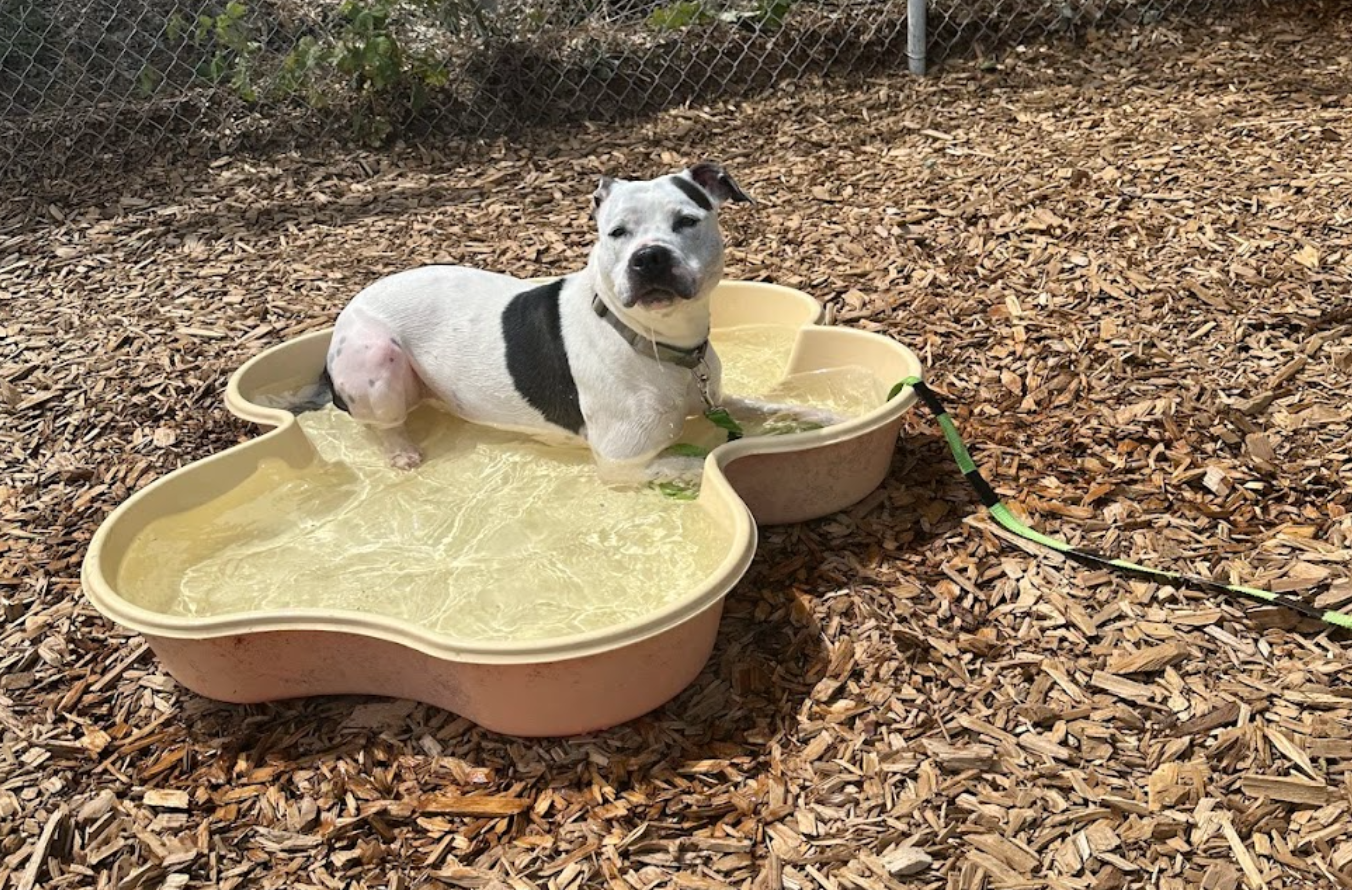
Social media is a great tool to add depth to an overall fundraising campaign, giving you a place to share resident stories, updates, and personalized appeals to donors.
2. Understand Your Audience
You can post all you want about the issues that are important to your shelter, but you’ll only have an impact on your donors if you understand what actually matters to them. To this end, nonprofit communications expert Farra Trompeter suggests creating a few “donor personas,” which can help you to personalize your messaging to the people you’re trying to reach. These “personas” can be given a name, personal background, motives, and a personality, which can make it easier for you to tailor your posts to their unique needs and pain points.
To come up with your donor personas, look to the typical types of people who donate to or adopt from your shelter. Consider things like age, household income, education, occupation, values, and giving history. Once you’ve created a few personas, you can write content directly to these individuals, focusing your messaging on what is important to them–not just what’s important to your shelter.
3. Prioritize Campaigns
Once you’ve established your brand and begun establishing yourself with your audience, you can leverage your presence through targeted social media campaigns. We suggest prioritizing campaigns over one-time fundraising appeals, as this creates more audience buy-in and long-lasting support. Ideally, social media should be just one arm of your overall campaign, used in tandem with other marketing tools like your website, direct mail, and emails. To this end, be sure to create an intentional content calendar, which will help your team to keep track of your campaign and ensure consistency across all platforms.
Struggling to Prioritize Behavioral Health at Your Shelter?
Financial struggles often have a trickle-down effect, impacting everything from staff welfare to behavioral health. If your shelter is struggling to keep its head above water, it might be time to access expert support. Laurie Lawless founded Shelter Behavior Integrations to help animal shelters prioritize behavioral health in their everyday operations, and she’s got the tools to help shelter staff and management keep their shelters afloat.
After almost two decades working in the animal welfare space, Laurie saw how insufficient funding, high intake rates, and staff overwhelm trickled down to affect animal welfare. Today, she’s helping shelters to weed through the chaos and prioritize animals and staff in their everyday operations. Visit the SBI website to learn more about Laurie, access educational support, and book a one-on-one consultation today!