Three Remote Support Options for Animal Shelters
Let’s face it, running an animal shelter is hard work. Budgets are tight, resources are limited, and needs are at an all-time high. It can be easy to get caught in a constant loop of putting out fires with no room to catch your breath, take a step back, and see the big picture. Sometimes, you just need a little bit of extra help.
In an ideal world, every shelter could afford boots-on-the-ground support to give things a little overhaul. But we’re not living in an ideal world (i.e. tight budgets and limited resources), so sometimes we’ve got to get crafty to make ends meet. It’s easy to assume your shelter can’t afford expert-level support, but there are a variety of remote options that can help you to make positive changes without breaking the bank. Here are three of our favorites:
Education
Education is one of the best ways to invest in your shelter. A small investment up front can lead to wide ranging rewards as your staff is more prepared to take on challenging behaviors, move animals through the shelter, and run playgroups with confidence. Education can work wonders toward improving staff and animal welfare–and the best part is, there are TONS of online options.
For instance, Shelter Behavior Integrations offers a number of both free and paid remote education options to help shelter professionals better meet the needs of animals in their care. From low-cost online courses and informational webinars to free live sessions, Laurie Lawless offers valuable expert insights to help shelters grow and serve the animals in their care. Here’s a brief list of a few of our other favorite online shelter experts:
Trish McMillan: Trish started the Shelter Behavior Hub to provide easy-to-access educational resources for shelters looking to prioritize behavioral health. She offers a variety of courses and webinars in both dog and cat behavior.
Fear Free Shelters: Fear Free Shelters offers both online and in-person training and education for animal welfare professionals. Shelter employees and volunteers get access to their Fear Free Shelter Program for free, making this an invaluable resource to have on hand at your shelter.
Victoria Stilwell: The Victoria Stilwell Academy offers a number of free and advanced courses, mostly focusing on dog training. This is a great option for shelters interested in training volunteers to take on behavior-focused responsibilities, like playgroups and positive reinforcement training.
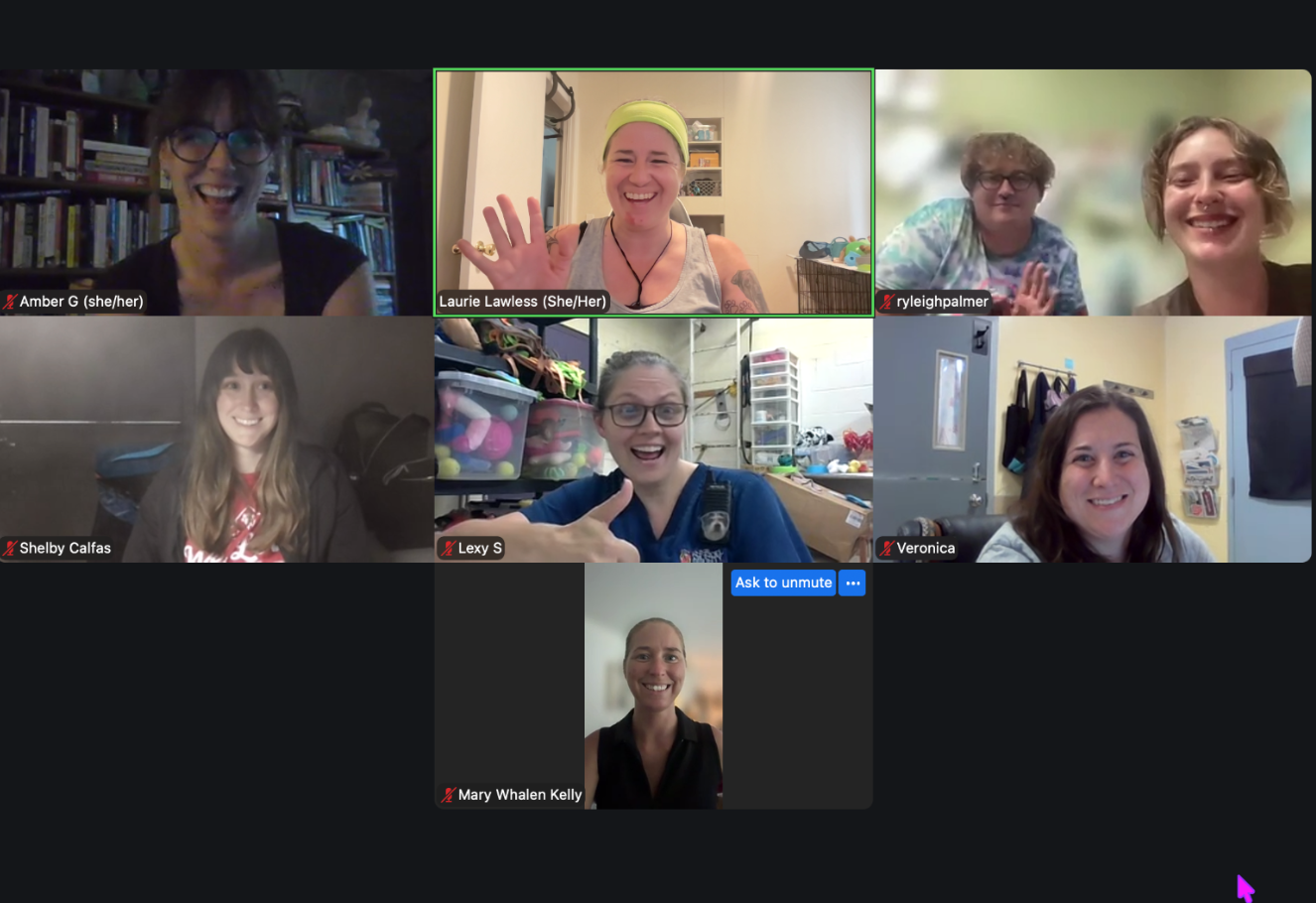
Online mentorship programs are a great option for shelter professionals looking to learn more behavior-focused skills while having the flexibility of remote support.
2. Mentorship Programs
If you’re looking for hands-on support with the flexibility that remote services offer, mentorship programs are another great option. Laurie Lawless runs an online playgroup mentorship program that empowers shelter staff and volunteers to build and run playgroups with confidence. This 4-week program features asynchronous recordings, live mentorship sessions, and community building opportunities. Other notable mentorship programs include Trish McMillan’s shelter dog and shelter cat behavior mentorships.
3. One-on-One Strategy Sessions
Sometimes, you just need a bit of individualized advice on a specific problem or pain point at your shelter. One-on-one strategy sessions are the perfect way to get some expert insight without the financial or time commitment of a full training or mentorship program.
Need More Support?
It’s great to have remote options, but sometimes it’s just not enough. If your shelter’s in need of an overhaul, it might be worth it to call in the big guns. An up-front investment in hands-on support will often pay off in the long run. Laurie Lawless started Shelter Behavior Integrations (SBI) to give shelters the tools to start centering behavior in their everyday practices. Check out the SBI website to access our boots-on-the-ground playgroup program, aimed at giving shelter staff and volunteers the tools to run safe and enriching playgroups.