Playgroups are one of the most powerful tools for increasing welfare in animal shelters. In addition to providing great enrichment, supporting kennel management, and decreasing problem behaviors, a playgroup is a wonderful tool to collect valuable dog data and increase adoptability, thereby managing intakes and supporting positive outcomes.
Playgroups are a great tool to have in your shelter’s toolbelt, but they don’t come without risks. Rife with opportunities for dog fights, it’s important to ensure that playgroups are intentionally designed and staffed with professionals who are prepared to intervene when needed. We’ve talked about dog body language in the broad sense, but now let’s discuss how to apply these insights in shelter playgroups.
Assessing Play
If you’ve worked with animals, you’ll know that dog play has a sort of flow to it. It’s fluid and dynamic, filled with reciprocity and a multitude of subtle gestures to decrease tension and avoid miscommunications. Dogs will sneeze, bow, take turns, and perform a multitude of other minute rituals, all in an effort to reassure one another that no, they’re not fighting. This is just play.
The language of play is subtle, and it takes a trained eye to spot when things are going awry. A whale eye or displacement sniff might fly under the radar of a novice staff member. Then, before you know it, a fight has broken loose–seemingly out of nowhere. Let’s talk about the signs of “good” and “bad” play, giving you the tools to intervene in fights before they’ve even begun.
The Green Flags: Signs of “Good” Play
Dogs who are playing and enjoying each other’s company will have relaxed, loose bodies. Their tails will wag gently, their faces will look relaxed, and they might do a play bow here and there. You might notice some playful, high-pitched vocalizing, sneezing, and a back-and-forth dynamic of taking turns in chasing and wrestling games.
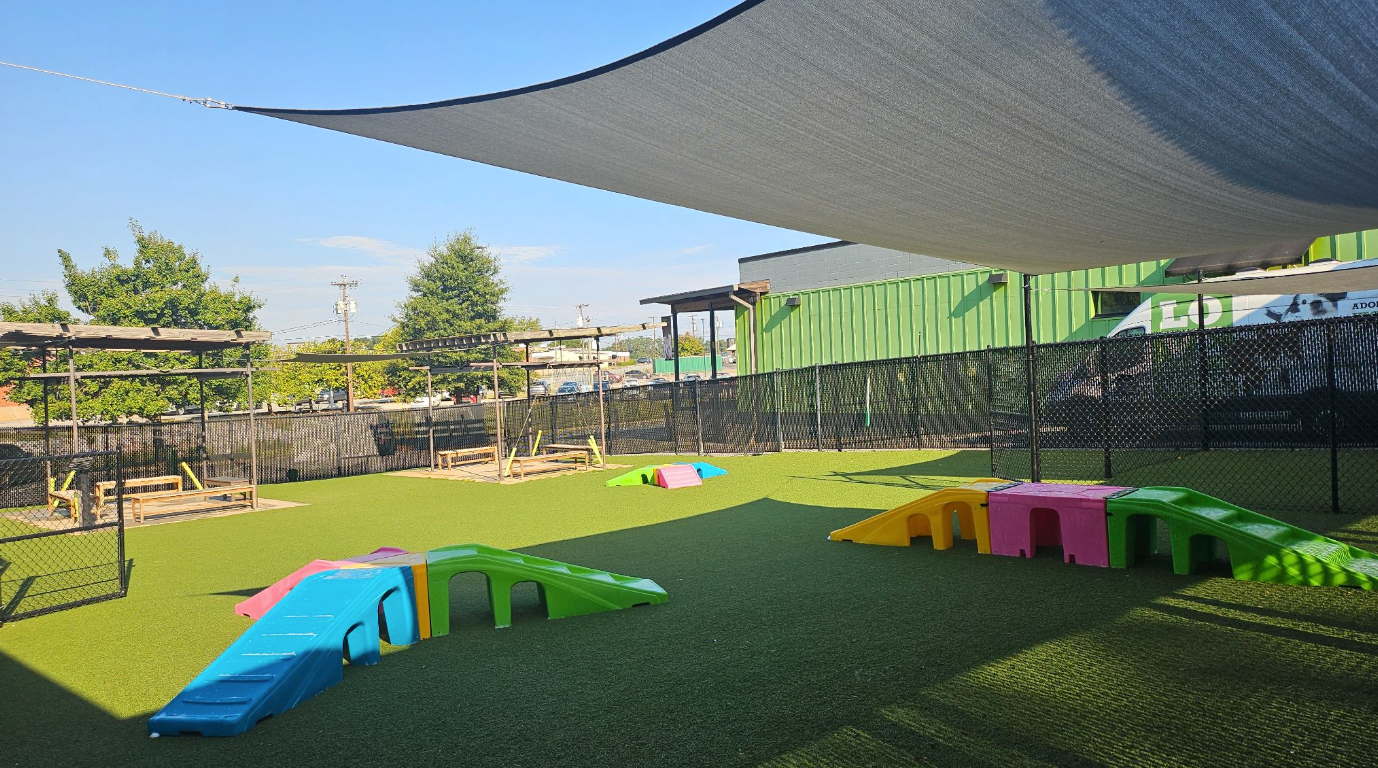
Ideally, playgroup areas should be designed to include obstacles to break up the rate of play and encourage breaks.
They might gently mouth one another, but with no real pressure behind it. As they play, you’ll notice brief pauses where everybody takes a moment to catch their breath and assess the situation before jumping back in. These are all signs of dogs who are engaging in enjoyable, reciprocal play.
The Red Flags: When Play Goes Awry
At first, the signs that dog play is turning “bad” can look subtle. First, the flow of play might have small disruptions. Where once the dogs took turns and small breaks, you might start to see more uninterrupted play. One dog might assume the role of chaser, the other of chaseé, with no switch in the assigned roles. This is usually a sign that play is starting to sour, and it’s important to clue in and watch closely if you see this dynamic start to play out.
Eventually, you might notice a stiffness or rigidity to the dogs’ bodies, seen most acutely in the tails, which might either stand up stiff and straight or be tucked down against the dogs’ bellies. These big-picture signs might be accompanied by raised hackles, fixed stares or whale eyes, and deep, long warning growls. These are all cues that it’s time to step in, separate the dogs, and try to re-direct into more polite play–or else end the play session entirely.
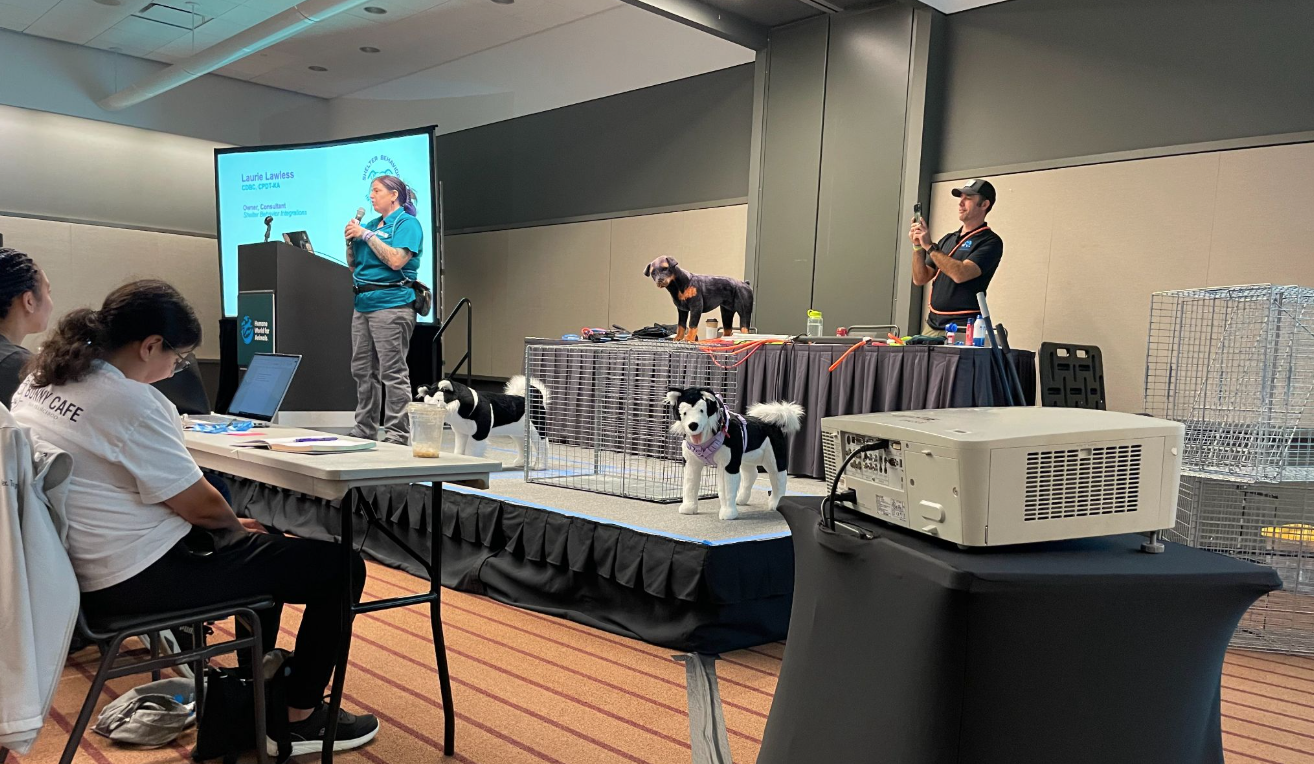
Laurie Lawless partners with professionals to provide shelters with education and hands-on support.
Training Staff to Intervene
When designing your playgroup program, it’s important to intentionally train staff and volunteers to intervene in dog fights. Laurie Lawless founded Shelter Behavior Integrations to give animal shelter staff and volunteers the tools to put animal behavior first in all shelter operations. Check out the SBI website to learn more about Laurie, access her online resources, and schedule a virtual strategy call today!