The Five Freedoms of Shelter Animal Welfare
Picture this: it’s 1985, and UK zoologist Roger Brambell just presented his 85-page report on ethical care of livestock animals. Before now, there were no standardized animal care protocols, and animals were routinely mistreated and viewed as disposable resources in the face of rampant industrialization. Brambell’s report states that animals should have the freedom to “stand up, lie down, turn around, groom themselves, and stretch their limbs,” which would later be extrapolated into the Five Freedoms of Animal Welfare.
Today, these Five Freedoms are internationally accepted as the gold standard for animal care, forming the foundation of many professional groups, including the American Veterinary Medical Association, the World Organization of Animal Health, and the Royal Society for the Prevention of Cruelty of Animals. They’re also a key framework used in the development of animal shelter protocols. Let’s talk through the Five Freedoms of Animal Welfare and how they can be used to enhance welfare at your shelter.
Freedom from Hunger and Thirst
Put simply, shelter animals should have consistent access to fresh water and an appropriate diet to maintain full health. This may sound self-explanatory, but fulfilling this freedom isn’t as simple as providing kibble and water. Several factors can complicate this in a shelter environment, including:
Diverse populations: Animal shelters often house a diverse array of animals, each with their own unique dietary needs. While a healthy adult dog might do well on standard kibble, puppies, kittens, and pregnant animals all have unique dietary needs and nutrition schedules.
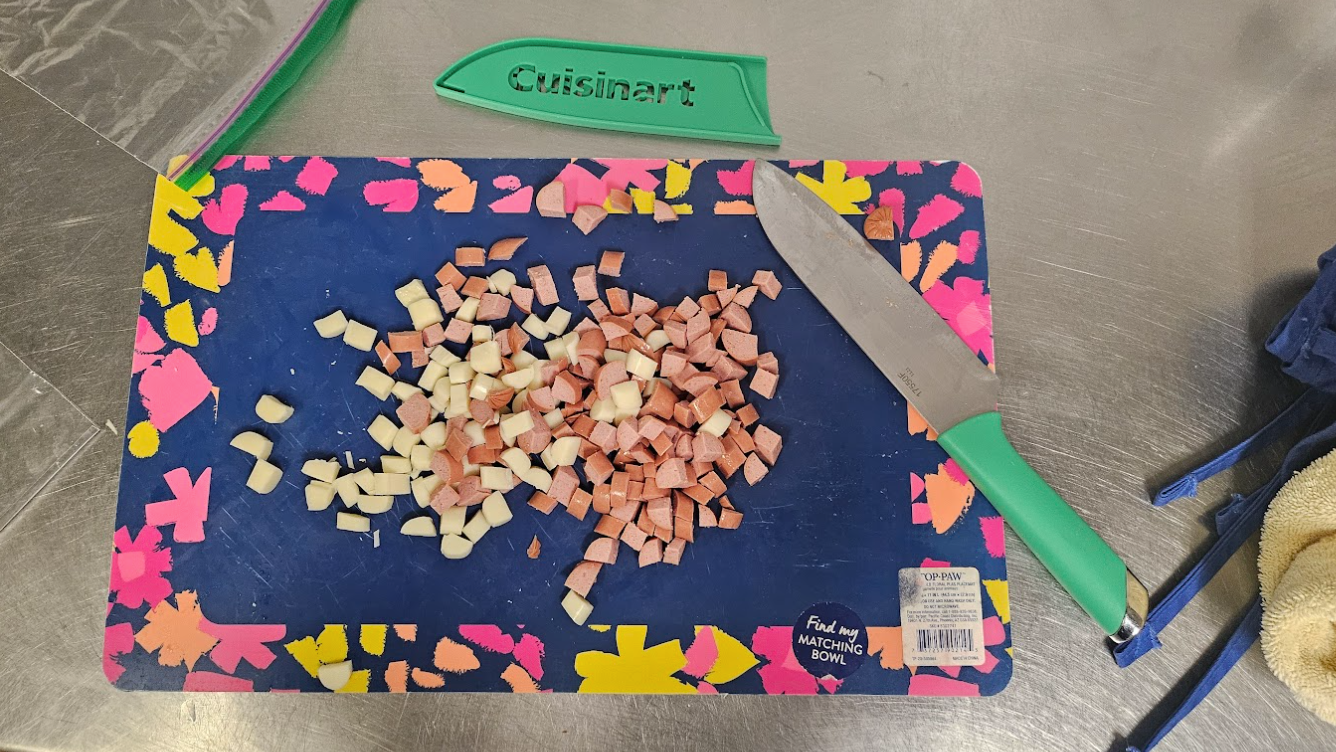
In addition to meeting nutritional needs, food can be used to meet enrichment needs by providing regular access to novel, high-value treats.
Resource constraints: Shelters often rely heavily on donated food, which can lead to frequent changes in brands or food types. In the already stressful shelter environment, frequent dietary changes can easily lead to gastrointestinal issues and diarrhea if not managed intentionally.
Hygiene and contamination risks: Food must be properly stored and water bowls kept clean to avoid bacterial buildup.
Stress levels: New environments, noise level, and close quarters are all common stressors for dogs and cats housed in animal shelters. Resulting anxiety often causes dogs and cats to either under-or-over eat, which can lead to health issues down the line.
2. Freedom from Discomfort
According to the second of the five freedoms, shelter animals should be given an appropriate environment for comfort. Here are some things to keep in mind when designing shelters to avoid discomfort:
Provide comfortable bedding: Kennels should be designed with plenty of comfortable bedding. Think elevated beds, soft pillow beds, hooded nesting beds, and washable blankets. Just be sure to consider the temperament of each animal, as more destructive dogs might be prone to tear up soft beds, increasing their risk of blockages and digestive issues.
Maintain cleanliness: Kennels and bedding should be regularly cleaned to maintain comfort and prevent disease spread. Ensure that your shelter has a streamlined system for deep-cleaning kennel spaces, which can be incorporated into enrichment activities like playgroups.
Manage noise level: Excessive barking and environmental noise can lead to mental discomfort, so be sure that you’re keeping your kennel runs as noise-free as possible.
Provide adequate space: Space is often at a premium in overcrowded shelters, but be sure that you’re staying within your capacity for care by ensuring that each animal is able to fully stretch out within their kennel space.
Consider the elements: Be sure that all kennel areas are kept at an appropriate temperature and have access to natural light.
Maintain play yards, intake areas, and other facilities: In addition to keeping kennels clean and comfortable, it’s important to maintain other parts of your shelter. Ensure that your play yards are designed and maintained intentionally, regularly clean hallways and other transitional areas, and keep intake areas clean and calm.
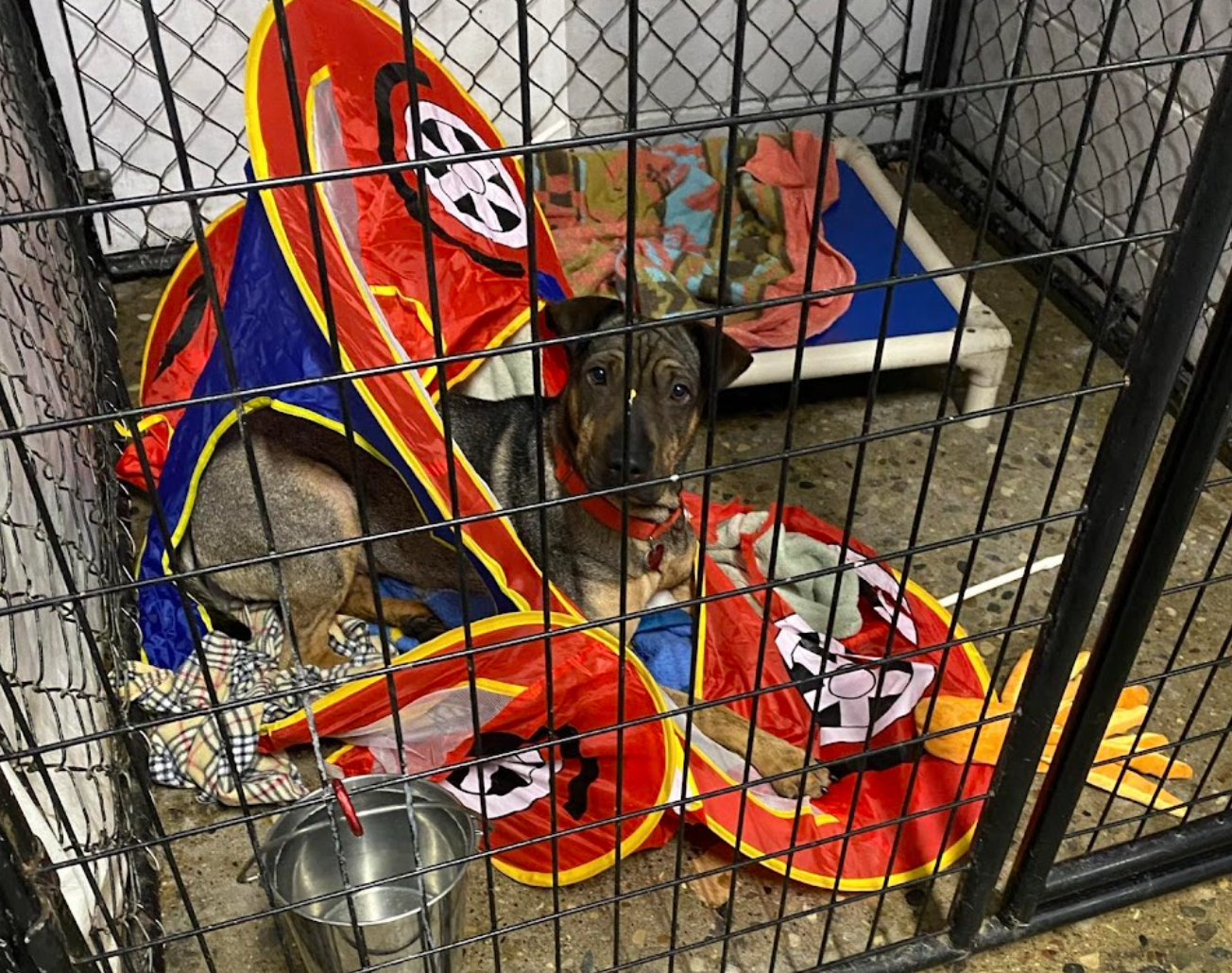
Pop-up kids’ houses can be used as a low-cost tool to enhance comfort by giving secure dogs places to hide in their kennels.
3. Freedom from Pain, Injury, and Disease
According to the third freedom, shelters should engage in intentional prevention and/or rapid diagnosis and treatment of any injuries and diseases. Here are a few ways to incorporate this at your shelter:
Pathway planning at intake: At intake, all animals should undergo a thorough assessment and medical examination, allowing staff to assign them to an appropriate pathway. This will ensure that animals are set up for success from the start, with all relevant behavioral and medical interventions planned into their pathway.
Daily rounds: Staff should engage in daily rounds, in which they monitor and track the physical and behavioral health of each animal in care. This allows for prompt detection and intervention of medical and behavioral concerns and streamlined medication administration.
Behavioral management and intervention: Staff should monitor behavioral needs and ensure that safety protocols are followed during playgroups and other dog-dog interactions. In the case of a dog bite, staff should be trained to respond, interpret, and intervene to prevent future incidents.
4. Freedom to Express Normal Behavior
In addition to having enough space to fully stretch out, animals in care should be given access to opportunities to engage in natural behaviors. Shelters should develop enrichment protocols to give opportunities to engage in instinctual behaviors, like sniffing, digging, running, and playing with other dogs.
5. Freedom from Fear and Distress
Animals in care are often exposed to high levels of uncertainty and stress, and shelter conditions and treatment should be designed to avoid mental suffering and distress wherever possible. In addition to the measures already mentioned above, we suggest the following methods to prioritize fear-free practices at your shelter:
Positive reinforcement: Shelter staff should practice positive reinforcement in all interactions with animals in care, avoiding punishment-based behavioral interventions. High-value treats should be used to reward good behavior and to redirect undesirable behavior.
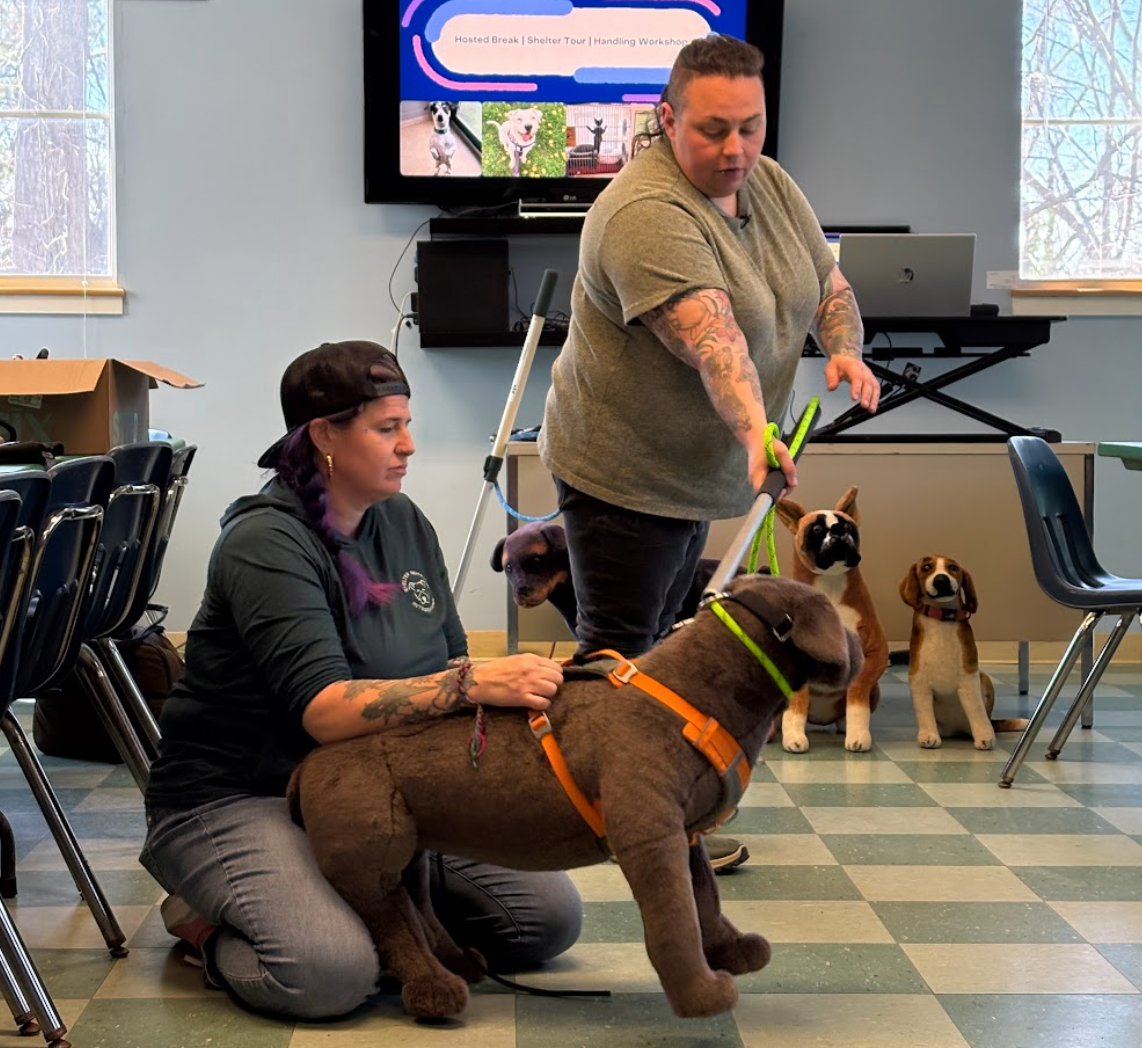
By engaging in intentional, gentle handling, staff can keep dogs safe, comfortable, and fear-free.
Intentional handling: Staff should prioritize gentle handling, following the LIMA (“Least Intrusive, Minimally Aversive”) protocol wherever possible.
Encouraging agency: Wherever possible, shelter staff should allow dogs to make choices when interacting with humans and other dogs. This can look like allowing a dog to approach staff on their own, giving them agency over walking direction when on leash, and allowing dogs to opt out of dog-dog interactions.
Prioritizing the Five Freedoms at Your Shelter
If you’re struggling to incorporate any one of these freedoms into your shelter environment, it might be time to seek professional help. Laurie Lawless founded Shelter Behavior Integrations to give shelters the tools to prioritize animal behavior in their everyday practices, and she’s developed a variety of services and resources to meet any shelter’s needs. Check out the SBI website to learn more about Laurie, access her educational resources, enroll in her playgroup mentorship program, or book a call today.