Turning Volunteer Teams into Behavior Teams
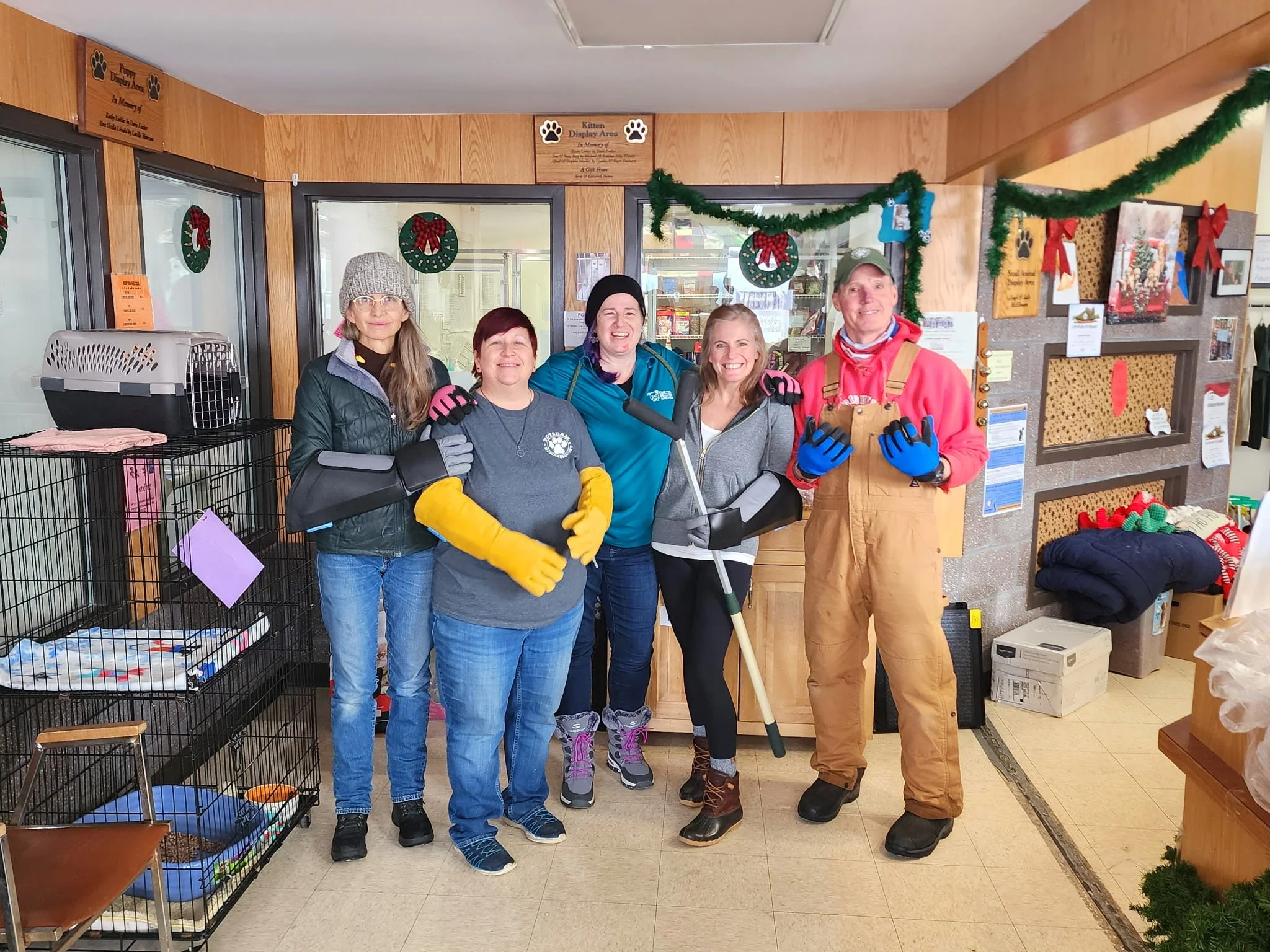
Have you been using your volunteer team to its fullest potential? It’s no secret that the animal welfare profession is rife with compassion fatigue, retention struggles, and budgetary constraints. These things trickle down, affecting everything from length of stay to a shelter’s ability to operate within their capacity for care.
Volunteers are one of the backbones of the animal sheltering industry. Without their compassion and commitment to animal welfare, many shelters would not be able to function, as they take on much of the overflow duties that overworked staff can’t manage alone. However, many shelters miss opportunities to involve their volunteer team in more meaningful, behavior-forward tasks. Let’s discuss why you should consider making this change, with a few practical ways to start shifting volunteer responsibilities today.
Why You Should Turn Your Volunteer Team into a Behavior Team
In an interview with Laurie Lawless, founder of Shelter Behavior Integrations, Laurie explained why she thinks that volunteers are an under-utilized resource in animal shelters.
“Volunteers are often some of our most dedicated and passionate advocates. They have time to decompress after shifts, and they inflate our shelters with kindness, hope, and compassion. Not utilizing this amazing resource is such a missed opportunity.”
There are a number of ways that shifting your volunteer team responsibilities can benefit your shelter, including:
Insulating staff from burnout and compassion fatigue: Unlike on-staff behavior experts, volunteers often have other sources of income and more ability to insulate themselves from the effects of compassion fatigue. Though shelters should still be mindful in their use of volunteer labor, giving volunteers a reasonable amount of behavior-forward responsibilities can help to take the load off of regular staff who have less ability to take space from their work in animal welfare.
Decreasing length of stay: More structured and enriching time outside of kennels means less stress for dogs in care. “Whenever animals are less stressed, their likelihood of a faster adoption increases,” says Laurie, speaking to the ways that increased volunteer behavior support can have tangible impacts on adoption rates and length of stay.
Stretching resources to make a lasting impact: In the animal welfare field, it’s not uncommon for budgets to be stretched thin. Utilizing volunteers to support behavior staff can save money as well as lives.
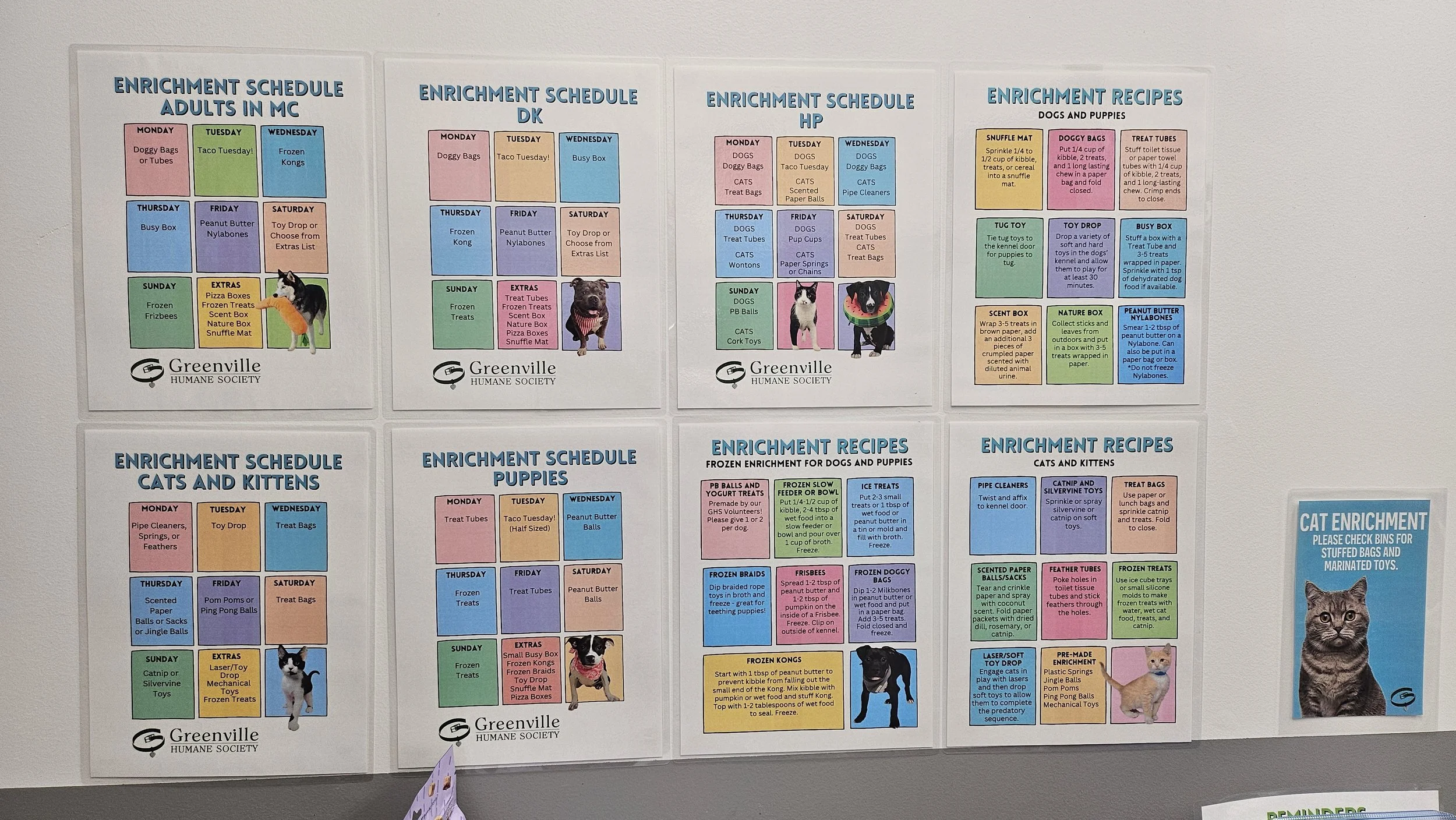
With the right training, volunteers can be utilized to run enrichment schedules. Here’s an example of the enrichment schedule at Greenville Humane Society!
Ways to Safely Integrate Volunteers into Behavior Work
To be clear, Laurie isn’t advocating for your shelter to replace your on-staff behavior team. Instead, she suggests shelters use their volunteers as sources of support for behavior staff, investing in training and development so that they can be trusted to take some of the load off of on-staff behavior experts. Here are a few of the roles and/or tasks you might empower volunteers to take on at your shelter:
Behavior modification plans: With the support and guidance of on-staff behavior experts, volunteers might be trusted with behavior modification tasks like implementing day-to-day positive reinforcement techniques, leash training, and basic obedience. They might also play a supporting role in behavior assessments, acting as handlers as on-staff experts evaluate an animal’s behavior.
Enrichment schedules: Experienced volunteers could be given enrichment-related tasks, either running and managing enrichment schedules or providing day-to-day enrichment.
Playgroup support: Additionally, volunteers with a firm knowledge of dog body language and animal behavior might be utilized to supervise and run playgroups, with the oversight and support of on-staff experts.
When deciding how to integrate volunteers into behavior work, it’s important to always start by clearly outlining goals and a plan of action. For instance, be sure to have an idea of which populations of dogs volunteer behavior support should be working with. Now, let’s talk about our top three ways that volunteer behavior teams benefit shelters.
Getting Started
Shelter Behavior Integrations aims to give shelters the resources to center behavior in their everyday practices, often using outside-the-box thinking to stretch resources and make sustainable impacts on shelter animal welfare. Laurie offers a wide variety of educational resources, which could be a great first step toward empowering volunteers to take on more behavior-focused responsibilities. Check out our website to learn about our online crash-courses, free virtual resources, and boots-on-the-ground training options. If you’re struggling with where to start, consider booking a strategy call with Laurie today.