Building a Grant Program at Your Shelter
If you had to guess, what is the root cause of the majority of challenges faced by animal shelters? Research into the most common issues facing shelters–overcrowding, lack of hygiene, high staff turnover–found that many can be traced back to one source: lack of funding. Without sufficient funds to pay staff a fair wage, shelters lose promising employees and spend even more money replacing them. Without adequate staffing, it’s difficult to prioritize hygiene, enrichment, and behavioral interventions. Without proper intervention, animals in care are more prone to behavioral struggles, leading to lower adoption rates and overcrowding.
The point is, it’s impossible for shelters to center behavior (what Shelter Behavior Integrations is all about) without addressing funding. Your shelter may not be able to single-handedly address the systemic under-funding of the animal welfare industry, but there are ways for you to take control of your shelter’s financial health, including smart budgeting practices, building financial forecasts, and prioritizing financial transparency.
What’s more, animal shelters must always be engaged in intentional fundraising efforts. Grants are a big part of non-profit fundraising efforts, but the work isn’t finished once you’ve acquired grant funding. Let’s talk about how building a grant program can help you to find the right funding opportunities, streamline application processes, and maintain relationships with funders for years to come.
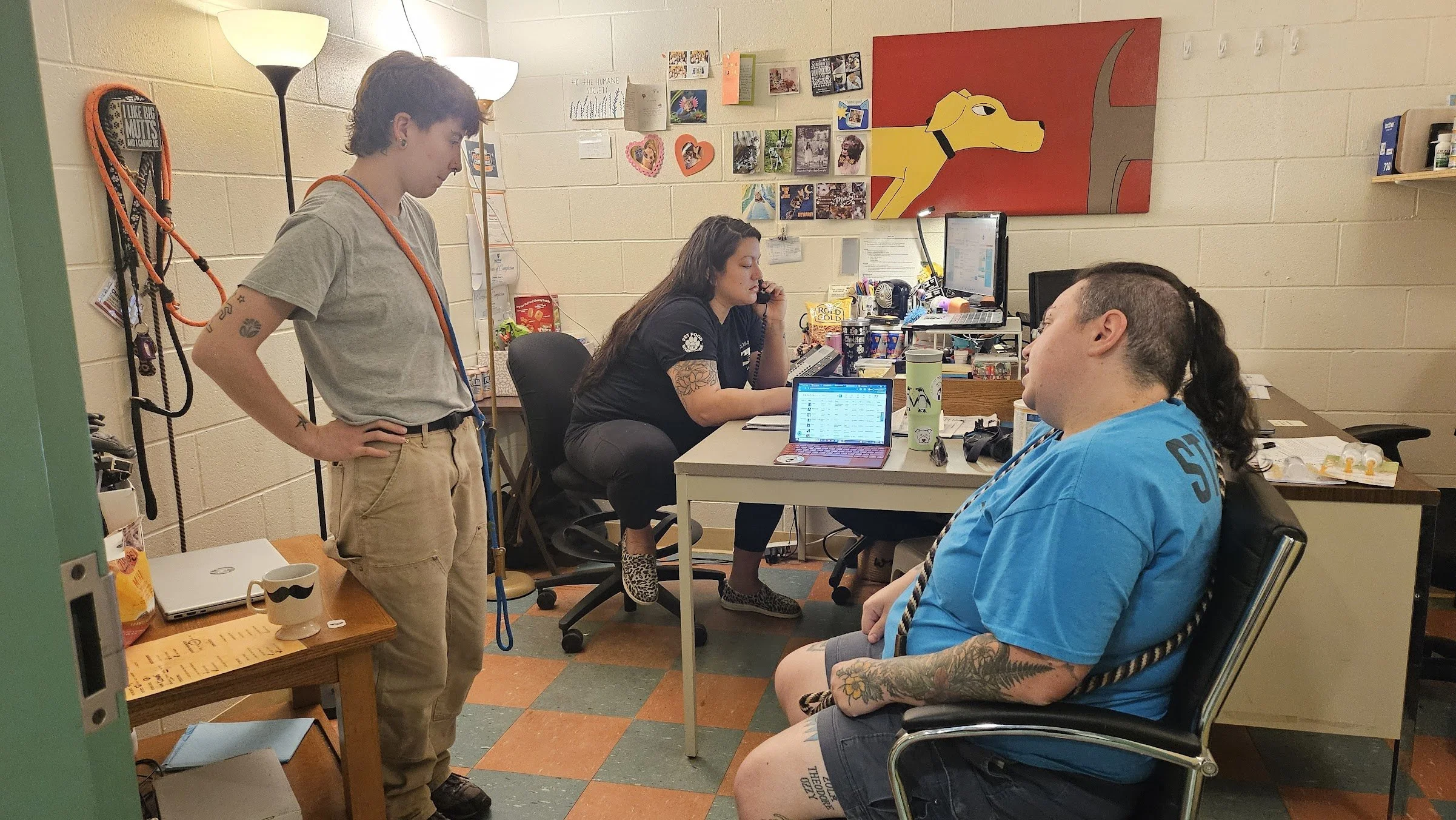
To build an effective grant program, you must first hire or select a dedicated team of staff to fulfill roles within the grant cycle.
Creating a Grant Cycle
When we talk about grants, we often talk about the writing. However, there’s a lot more to pursuing grant funding than simply submitting applications. Each grant-making organization has unique specifications, funding preferences, application deadlines, and reporting requirements, and it’s not uncommon for non-profits to be juggling multiple grants at a time–with each grant being at a different stage of the grant cycle. That’s a lot to coordinate.
Building a grant program with a streamlined grant cycle is essential to maximize your funding opportunities and ensure that you are handling awarded funding responsibly. For an example of a realistic grant cycle, check out Denver Animal Protection’s Standard Operating Procedures for their grant program, shared by the ASPCA. Now, let’s break down the four essential components to building a grant program.
Building Your Team
Before you do anything, you must decide which of your staff will be taking on grant responsibilities. When thinking about who might be a good fit for your grant funding team, we suggest looking for team members to fit into each of these roles:
Grant discovery: In this role, team members will spend time finding and developing grant opportunities. Typical tasks will include searching grant databases, exploring funders’ websites, managing spreadsheets, and communicating with board members and potential funders. Consider team members who excel at research, organization, and relationship building.
Grant writing: These team members will be responsible for developing and submitting grant proposals. Look for team members with strong rhetorical skills and a good grasp on your organization’s mission and financials.
Award administration: Team members in this role are responsible for managing logistics immediately after you’ve been awarded grant funding. They’ll take care of things like thanking the funder, examining the grant’s terms and agreement, setting up logistics, and communicating with team members about next steps.
Ongoing management: These team members focus on ensuring that your shelter complies with the grant’s terms for funding use. They’ll be managing budgets and expenses, monitoring metrics, and managing communications both within your team and with the funders. Team members with strong organizational skills will be essential for these tasks.
Reporting: Finally, this role focuses on gathering data, stories, and other materials for regular reporting to the funder. Most funders require that you send regular, formal updates on your progress as you utilize grant funding, so this role is especially important for sustaining funding partnerships.
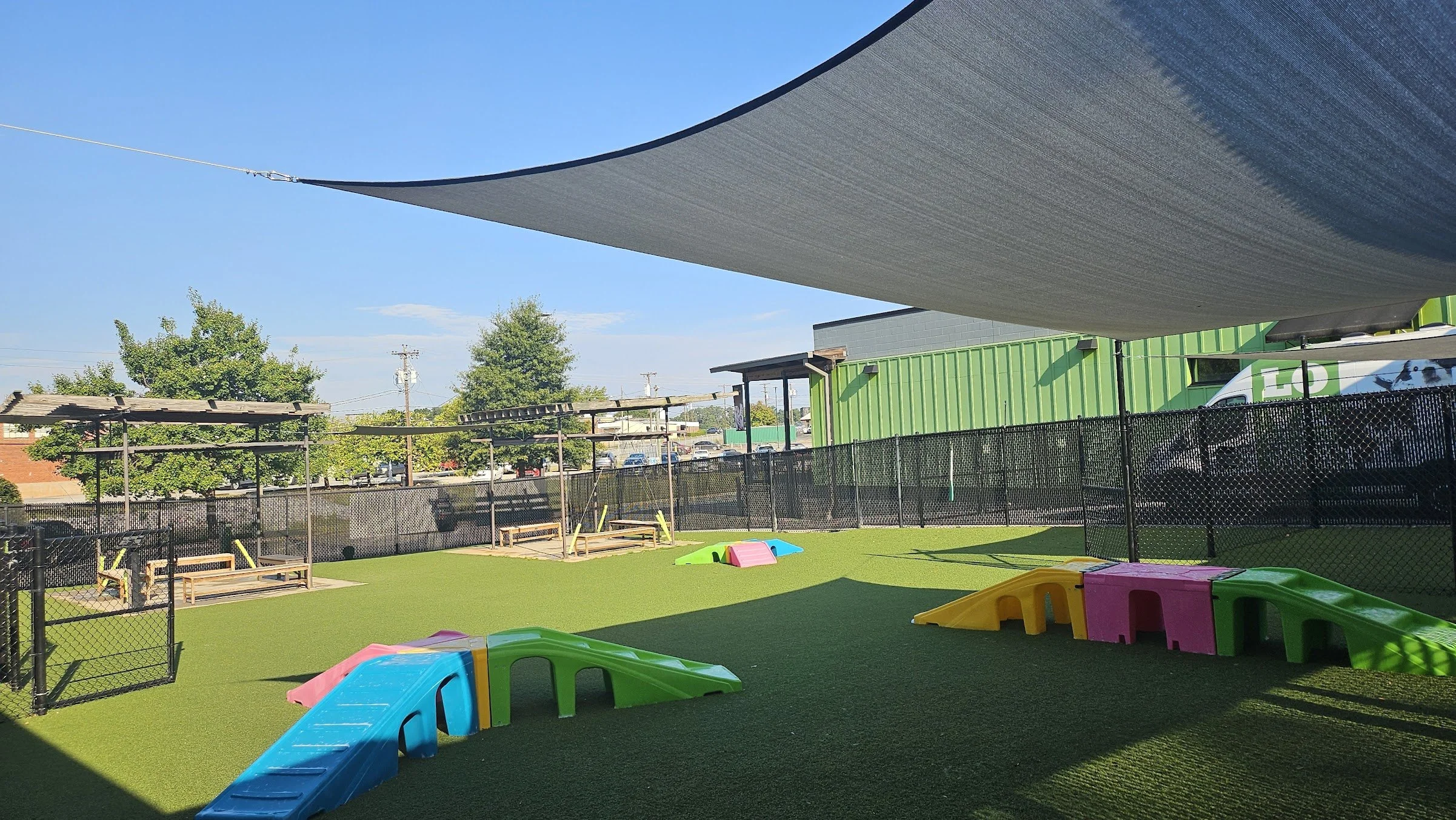
Grants consist of gift money that doesn’t have to be paid back. They are typically used to fund specific programs and initiatives, like the construction of a playgroup space.
2. Finding the Right Grants
Now that you’ve assembled your team, you’re ready to start looking for grants to apply for. Grant directories are a helpful tool to find potential funders, but be sure to prioritize these three things as you search: relationships, geography, and funding preferences (in that order). Let’s break down what this means.
Priority 1: Relationships
As you begin your search for funders, it can be tempting to look to big-name foundations. While these organizations might have a lot of funds to give, they also have stiff competition. Instead of reaching for the stars, it’s best to begin your search in your own backyard. Consider reaching out to your board members and major donors to find out if they know any grant-making foundations that would consider funding your shelter. From there, you’ll start to gradually build relationships, leading to more opportunities as you go.
Priority 2: Geography
In addition to metaphorically starting your search in your backyard, consider literally searching in your backyard. There are tons of community foundations who are looking to fund local non-profits, and it is often best to start your search with local grant-making organizations and work your way out from there.
Priority 3: Funder Preferences
You could write the most beautiful, moving, data-driven grant proposal known to the non-profit sector–and it won’t matter if you don’t meet a funder’s criteria and preferences. As you search for grant opportunities, resist the urge to apply for grants that aren’t a good fit for your organization and goals. They’ll end up being a waste of time and effort that could have been spent appealing to organizations that actually want to fund your project, program, or initiative.
Staying Organized
To keep track of funder information, application deadlines, funding decisions, and foundation relationships, it’s important to utilize a detailed spreadsheet and grant calendar to organize information. This will help your team to stay on the same page throughout the grant cycle, especially if new staff join the grant team. Spreadsheets should keep track of information like:
Basic information about the foundation: This includes things like the foundation’s name, location, website, and mission statement.
Contact information: Be sure to note the name and contact information for each grant’s program officer.
Foundation assets: Include the foundation’s total assets, which may give you some insight into their potential award amounts. You might also choose to note their average grant amounts in this section.
Funding preferences: Here, note the foundation’s typical areas of interest for funding and examples of other nonprofits they’ve funded.
Application requirements: Note any application deadlines and whether their applications are solicited or unsolicited.
History with the foundation: Include any of your previous history with the foundation, including previous application dates and awarded amounts.
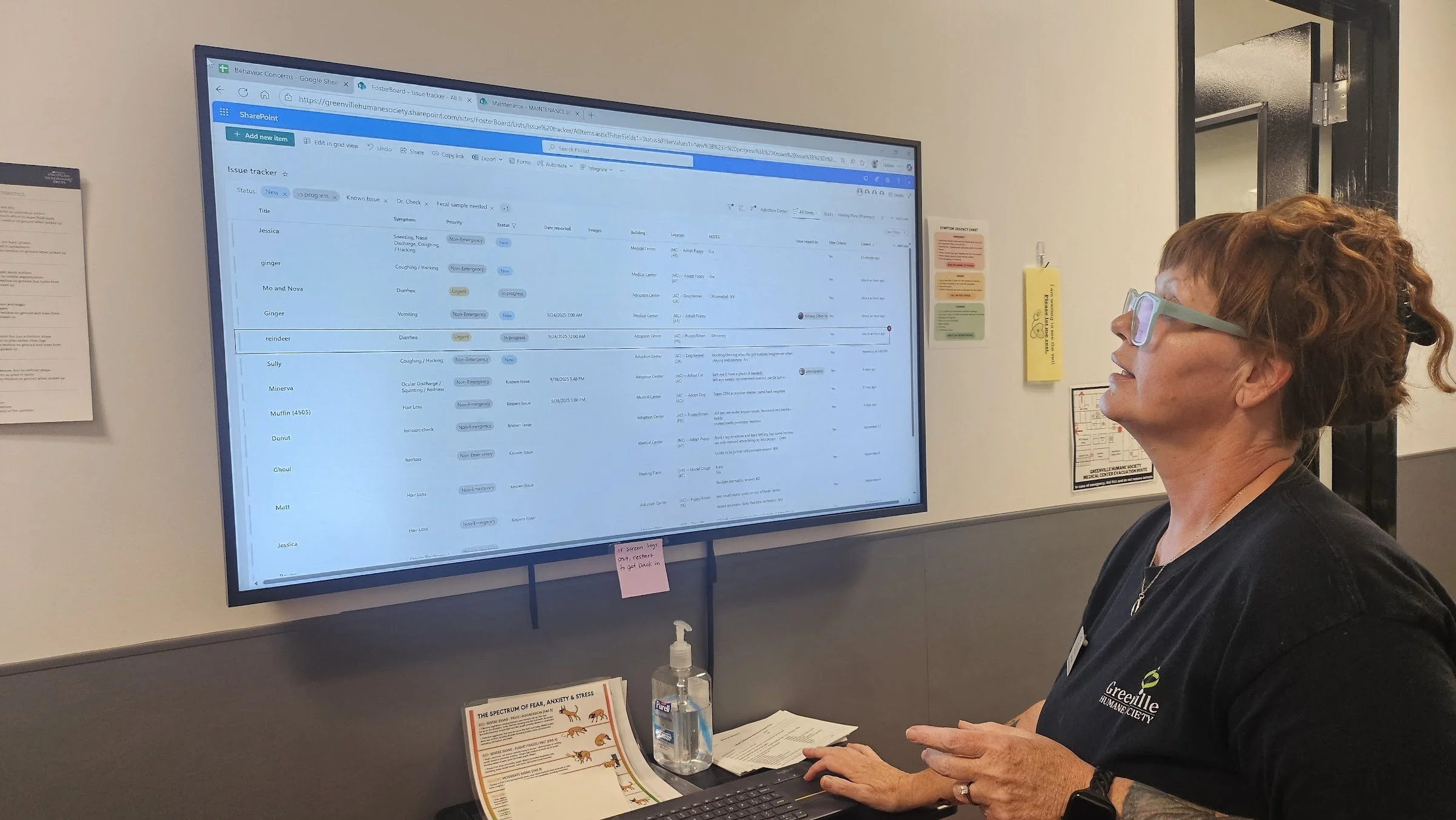
Spreadsheets are valuable grant management tools to keep your team organized and accountable.
3. Applying For Grants
We’ve talked about our top grant writing tips in another blog, so we’re not going to go into the nitty gritty of the grant application process with you here. Suffice it to say, grant applications typically require two types of documents:
Letter of Inquiry (LOI): This is a short statement that’s meant to introduce you to the funder, show how you align with their mission, and request permission to apply for their grant. This document is heavily story-driven, relying on compelling narrative and a deep understanding of your shelter’s mission.
Grant Proposal: Once you’ve been given permission to apply for a grant, you’ll write a grant proposal. This is a detailed, data-driven document where you should clearly state your plan for funding, illustrate how you’ll use the money, and prove why your program or project should matter to the funder. This document should leverage shelter data and financials to reinforce your shelter’s credibility.
To make the grant application process run smoothly, we suggest starting early (the earlier the better) and keeping a detailed library of regularly requested documents. By keeping documents like your mission statement, annual budget, financial forecasts, fundraising plans, and copies of previous LOIs and grant proposals in an easy-to-access place, you’ll be able to help the grant writing process run more efficiently.
4. Funding Follow Through
Whether you receive funding or not, there are still a number of steps that must be taken after you’ve submitted your grant application and received your funding decision.
If you are denied funding, you still have a valuable opportunity to gather data and cultivate relationships. After thanking the foundation for their consideration, reach out for feedback on your grant proposal. Learn why you were rejected, ask how you might strengthen the proposal for the next application cycle, and update your notes on the foundation.
If you are chosen to receive funding, then the real work begins. It’s time to follow through on the promises made in your grant application to further develop your relationship with the funder. Here are some steps that should be taken after a funding decision:
Read your notice of award & grant agreement: Carefully read all award notification materials to learn about reporting requirements and how the funder would prefer to be recognized.
Express gratitude: Thank the funder, ideally with a personalized acknowledgement letter, a phone call to the program officer, and a thank you note signed by staff.
Communicate with staff: Before using any grant funding, schedule an initial meeting with staff to discuss budgets, responsibilities, and reporting requirements. Add all reporting deadlines to your grant calendar.
Complete timely grant reports: Most foundations require periodic, formal updates as you use funding to complete your program or project. Be sure that you have a thorough understanding of reporting requirements and give updates according to the funder’s preferences.
Share the results of your project: Upon completion of your project or program, communicate the results to the funder and the public, if necessary. This can be in the form of collected data and resident stories that communicate the impact of the project.
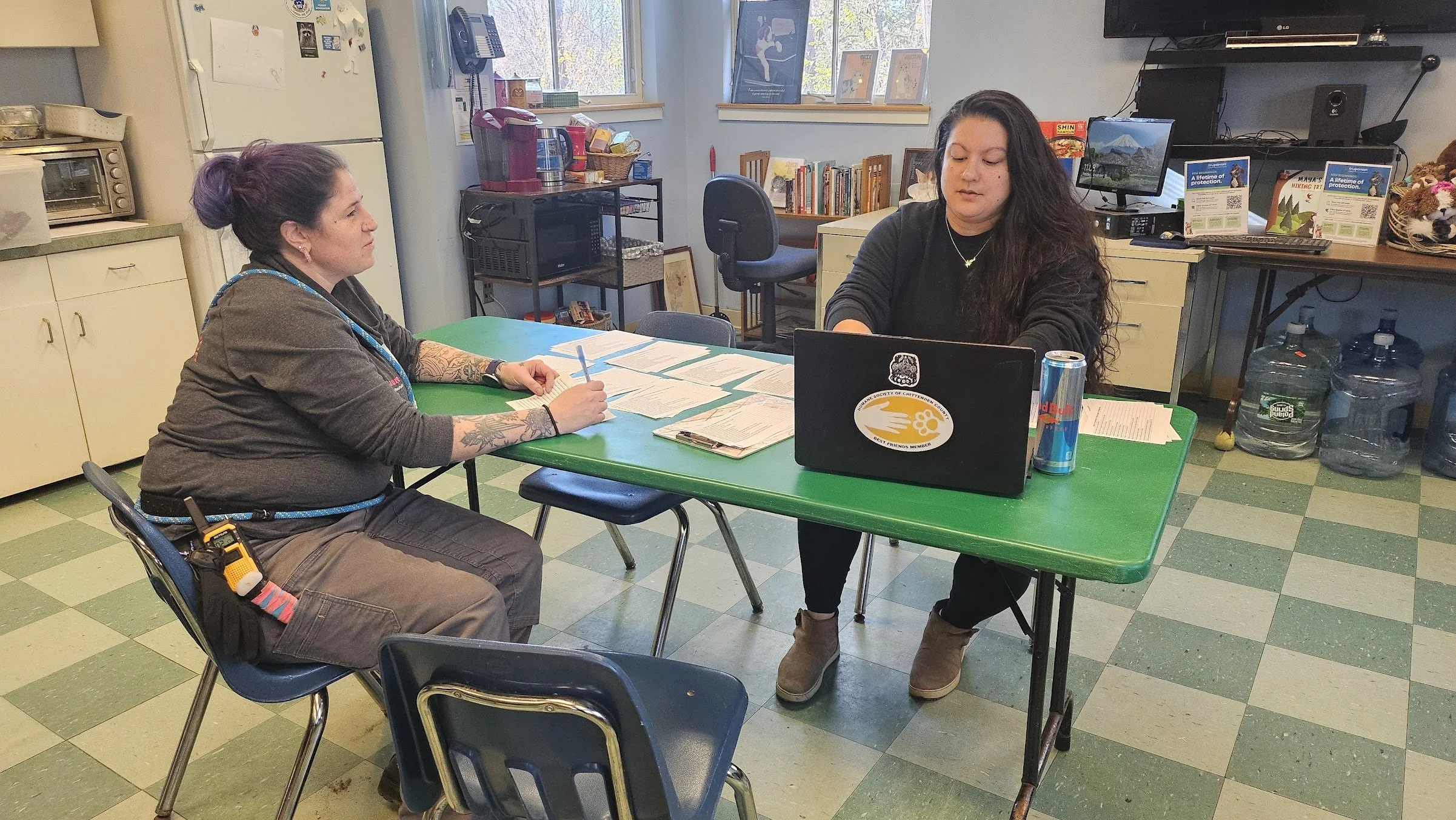
If you want hands-on behavior support, Laurie Lawless is the expert for you. She offers a variety of remote and in-person services to fit every price point.
Using Funding to Center Behavior
If you’re trying to find ways to center behavioral health in your shelter environment, it might be helpful to seek expert advice. Laurie Lawless has worked in the sheltering industry for over sixteen years, giving her an intimate understanding of the unique challenges faced by shelter staff, volunteers, and management. She founded Shelter Behavior Integrations (SBI) to try to fix the root causes of common sheltering struggles, and she offers a variety of educational and hands-on services to fit each shelter’s price point.
From a one-on-one consult call to personalized behavior support programs, she’s got the tools to support your shelter in whatever way you need. Check out the SBI website to learn more about Laurie, access educational resources, and complete our shelter interest form!